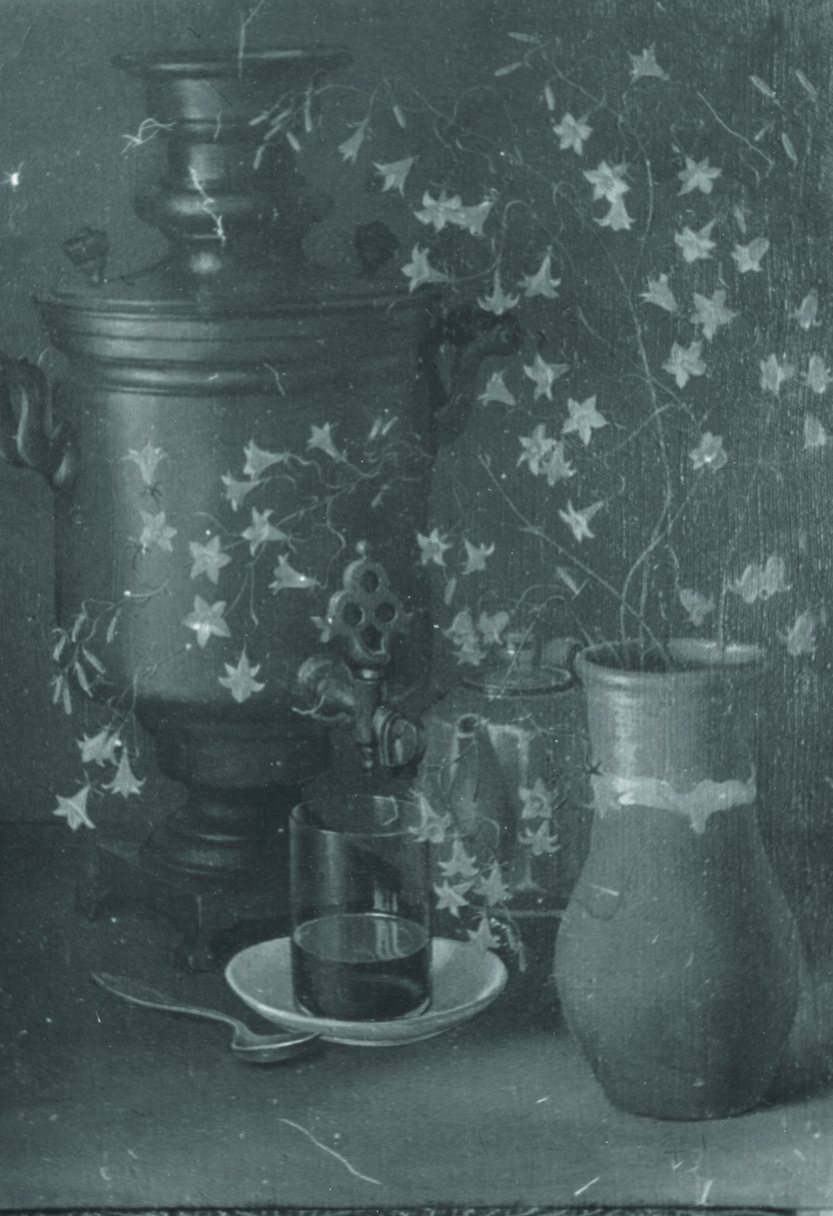
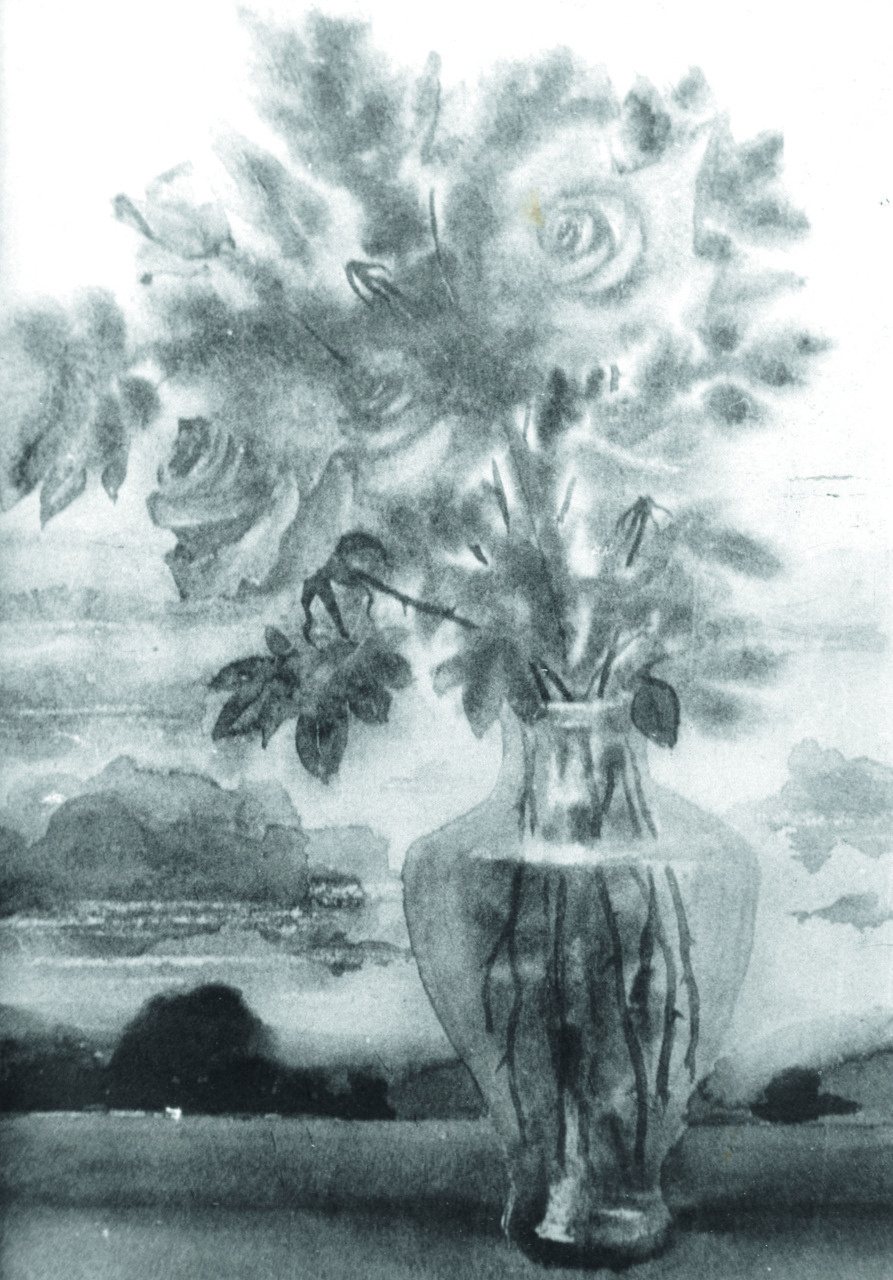
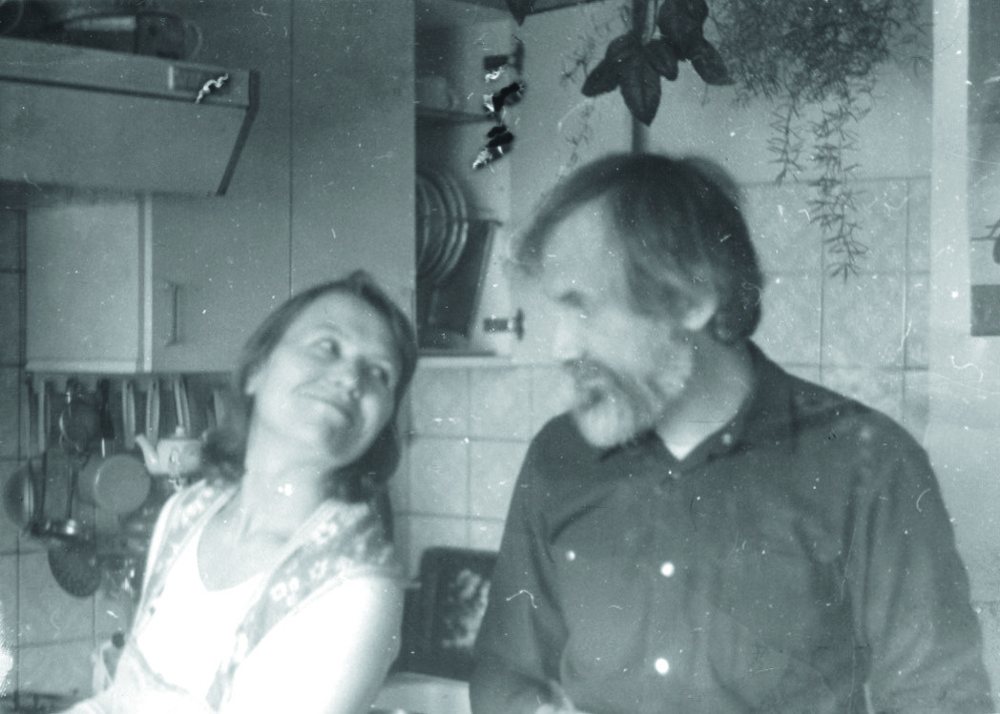
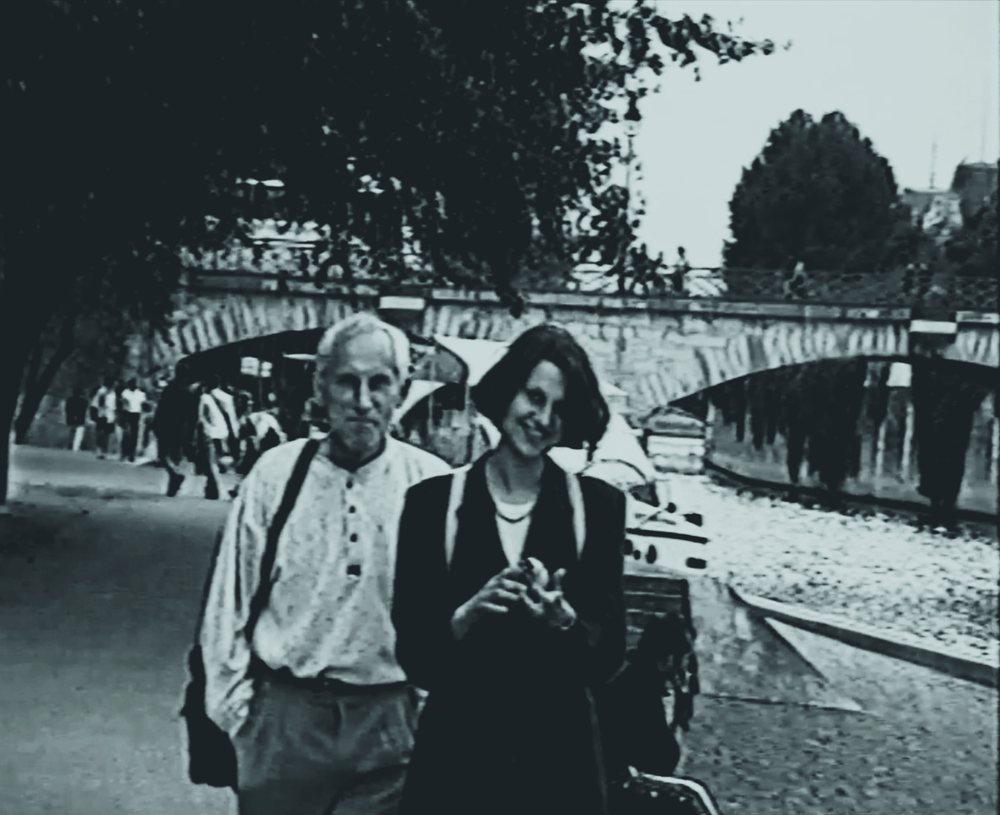
The artist

Alexei Matrossov

Moscow, 1944 — Brussels. A whole life spent creating, experimenting, passing on. From Soviet monumental art to the poetry of intimate formats.

1 September 1944

The Legacy of the Line

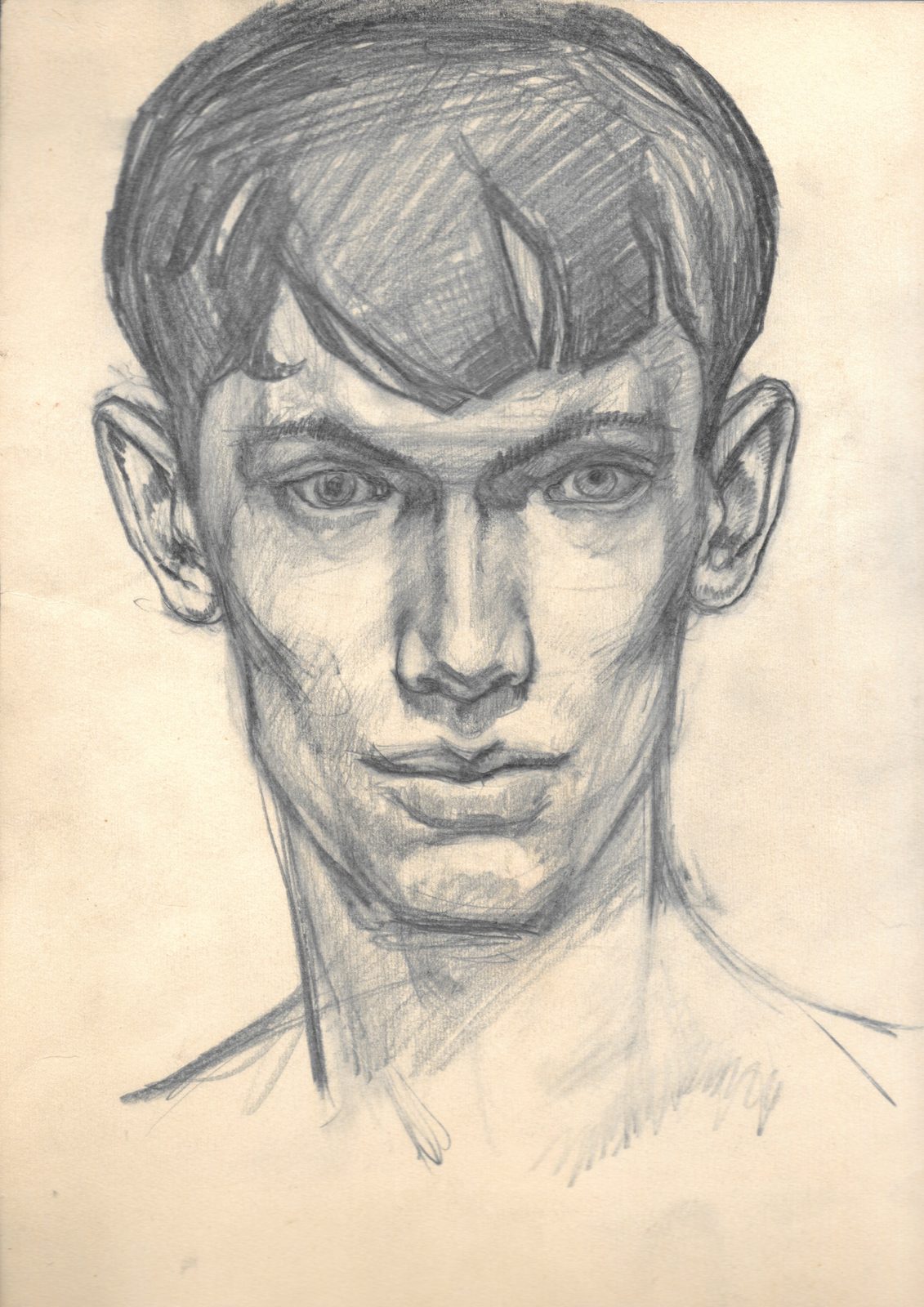
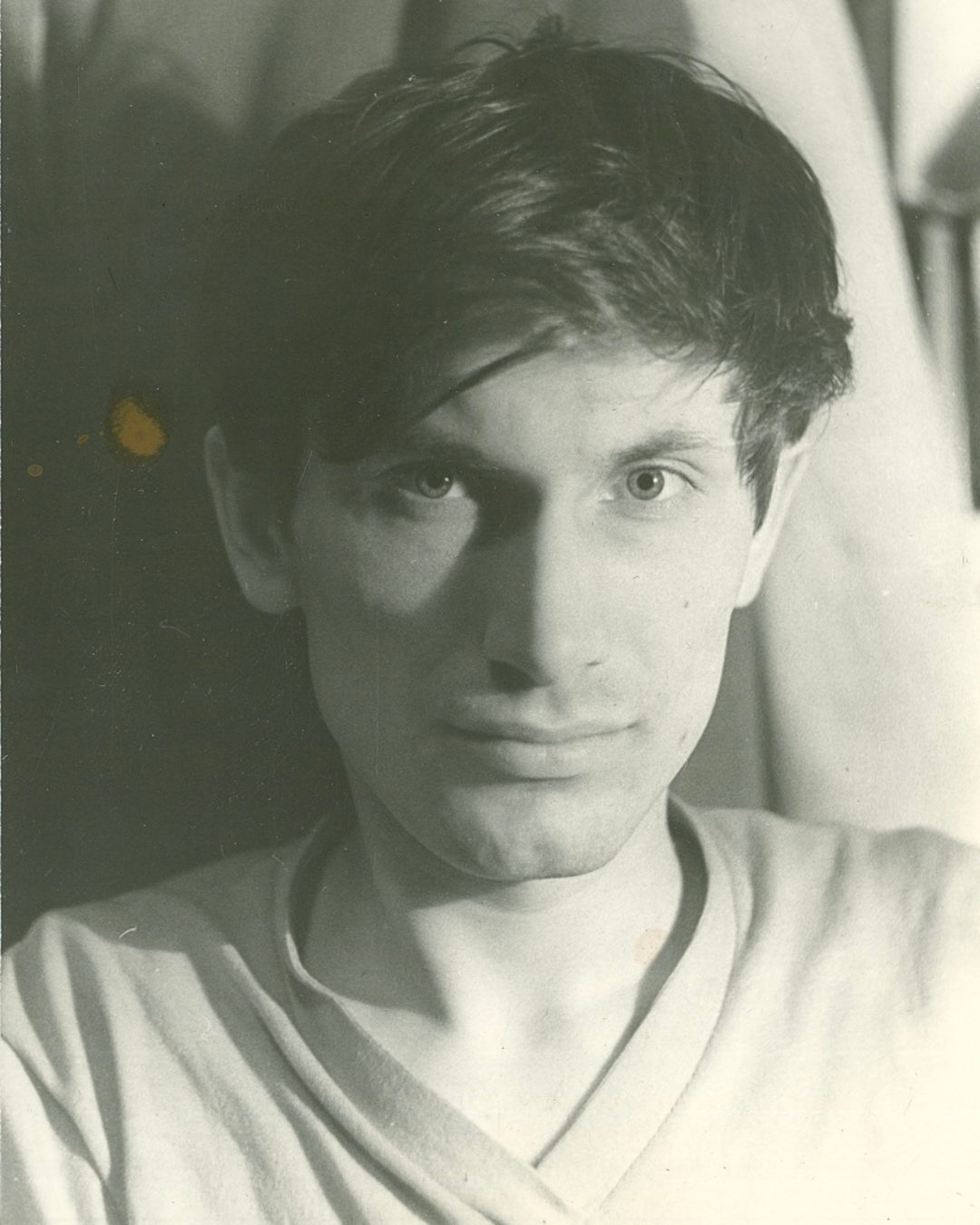
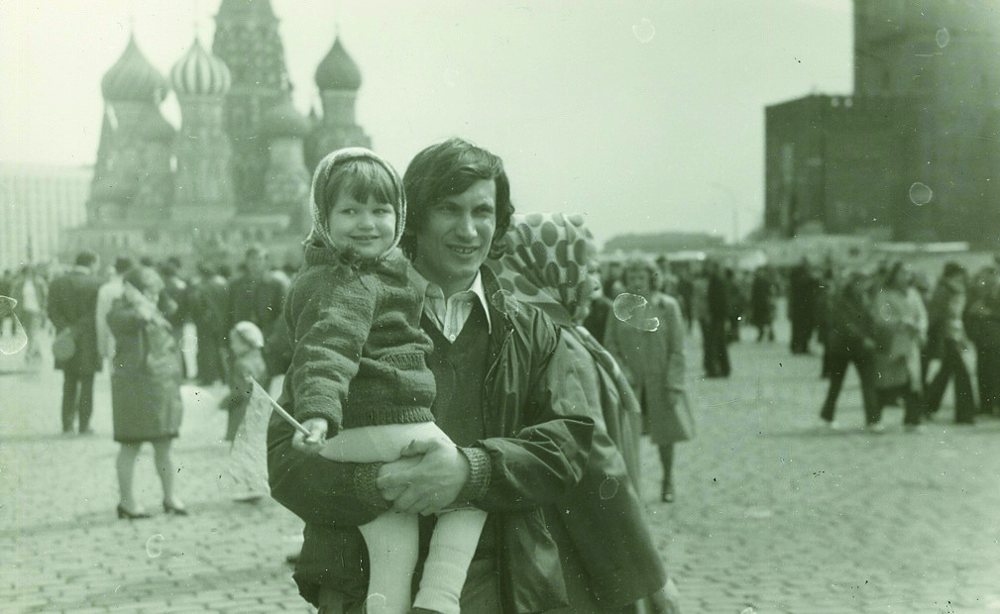
Born in Moscow. Alexei grows up in the shadow of the Kremlin, where his father, an architect at Mosproekt, is then drawing the Palace of Congresses.

In this world of vast housing blocks, his eye grows used to the measure of the world. With his cousin Emma he moves from observation to mastery: she passes on technical rigour, engraving the artist's first gestures into his hand.

“Aunt Emma's most important advice? Patience. And drawing technique.”
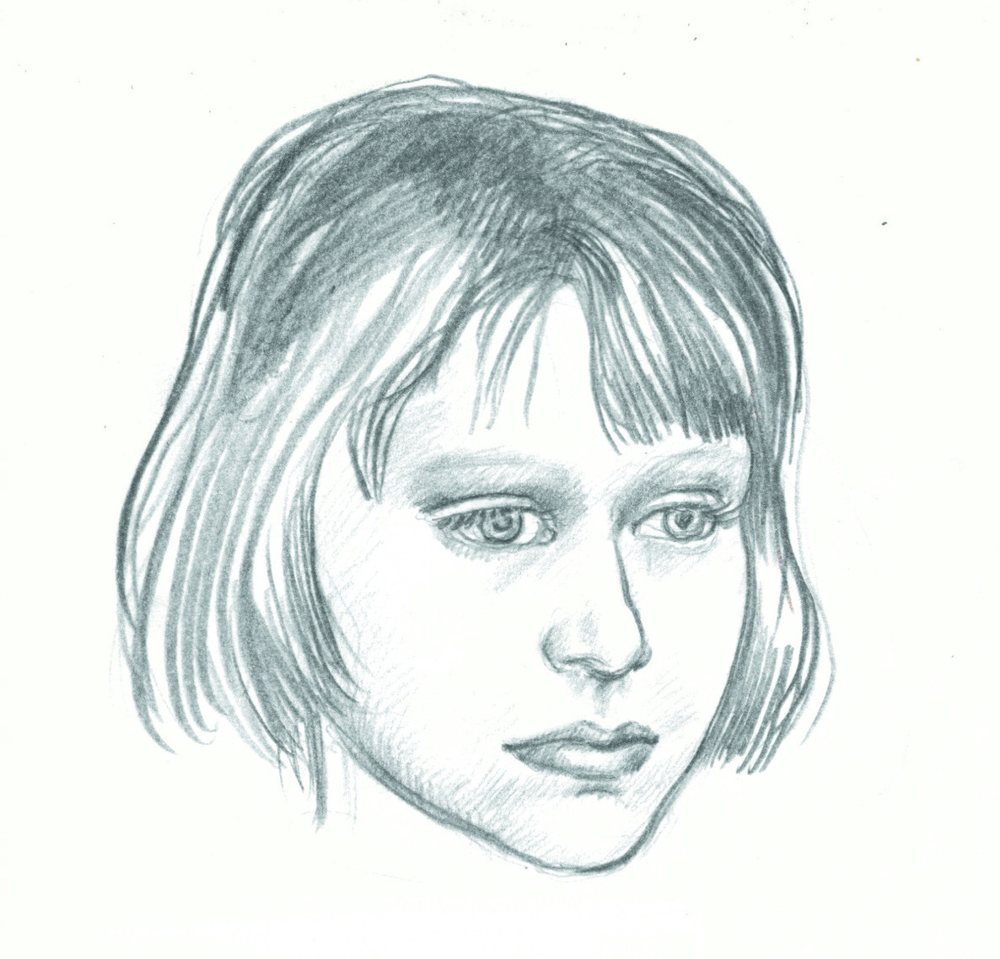
The Legacy of the LinePortrait au crayon — étudeAlexei jeune — portrait
1956 — 1962

The Resilience of Drawing

At twelve, Alexei crosses the threshold of the school of fine arts. Though the academic framework breaks down in his final year, his ambition remains intact: with a resourceful detour, he completes his training at evening classes.

A first trial that forges his ability to adapt in order to save his calling.

1962

Entering the Gates of Excellence

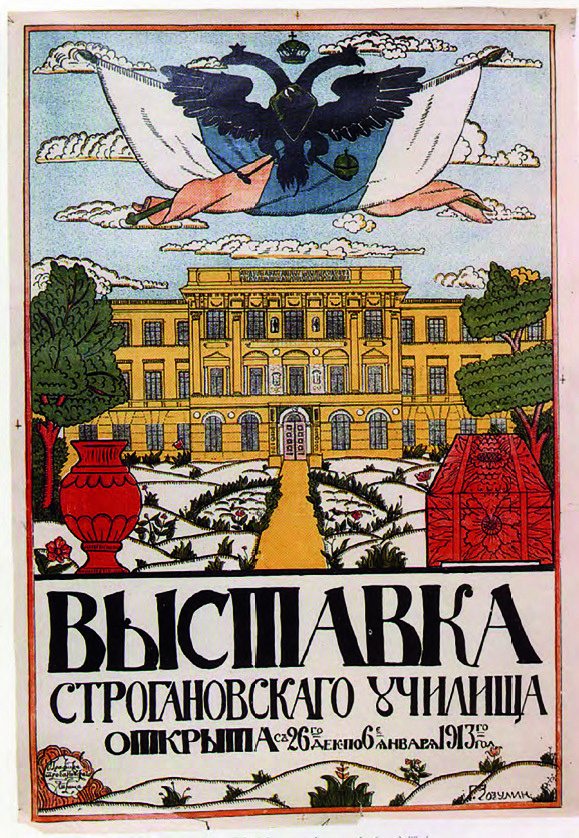
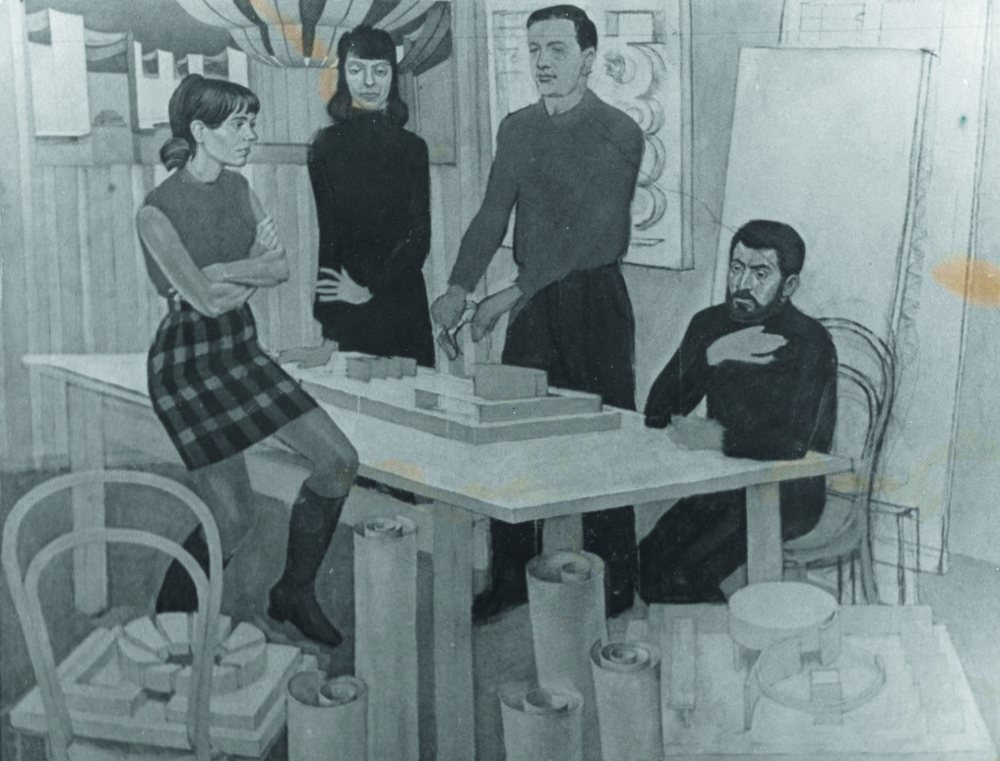
Alexei crosses the threshold of the prestigious Stroganov school. Admitted to the faculty of industrial and monumental decorative art, he leaves the sketch behind for scale.

There, his art changes scale: he no longer merely learns to draw the object, but to imagine the force and poetry of works that inhabit space.

“I was simply very happy to have passed the entrance exam and been admitted. Many people tried to get in and it was not easy, so I was glad to succeed on the first try.”
“I was young, a little lazy, and I was wrong. A good school of drawing is very important; it helped me a lot in life. We have a very good school, demanding but very constructive — it teaches you to understand form.”
Entering the Gates of Excellence
1964 — 1967

The Pencil as Refuge

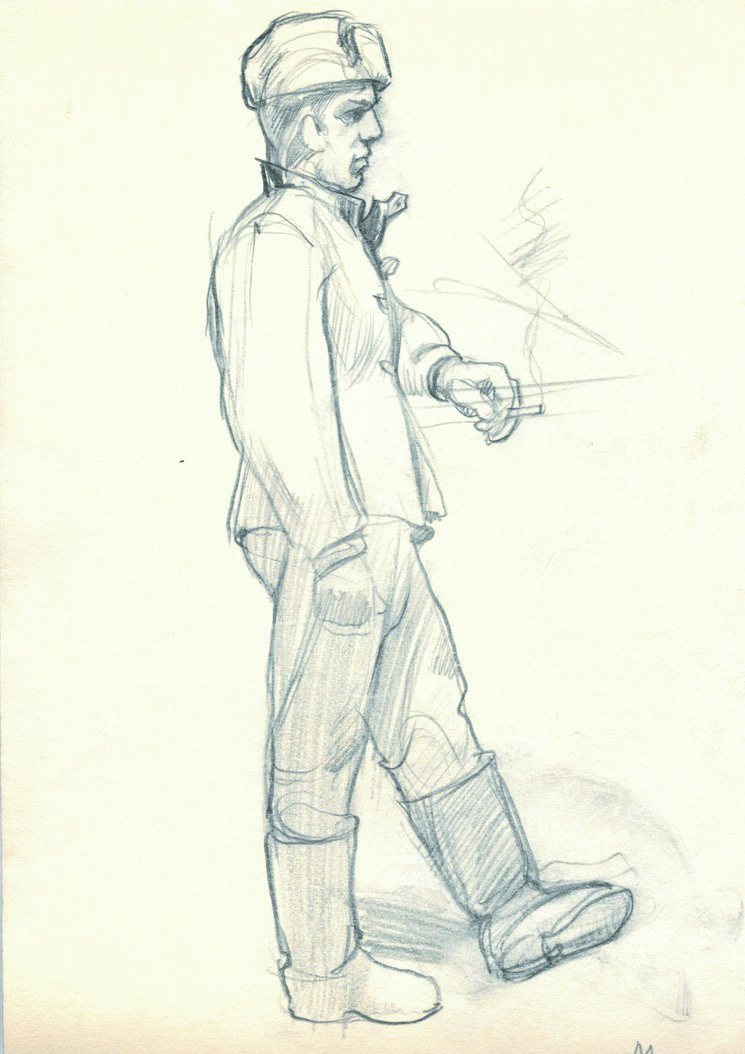
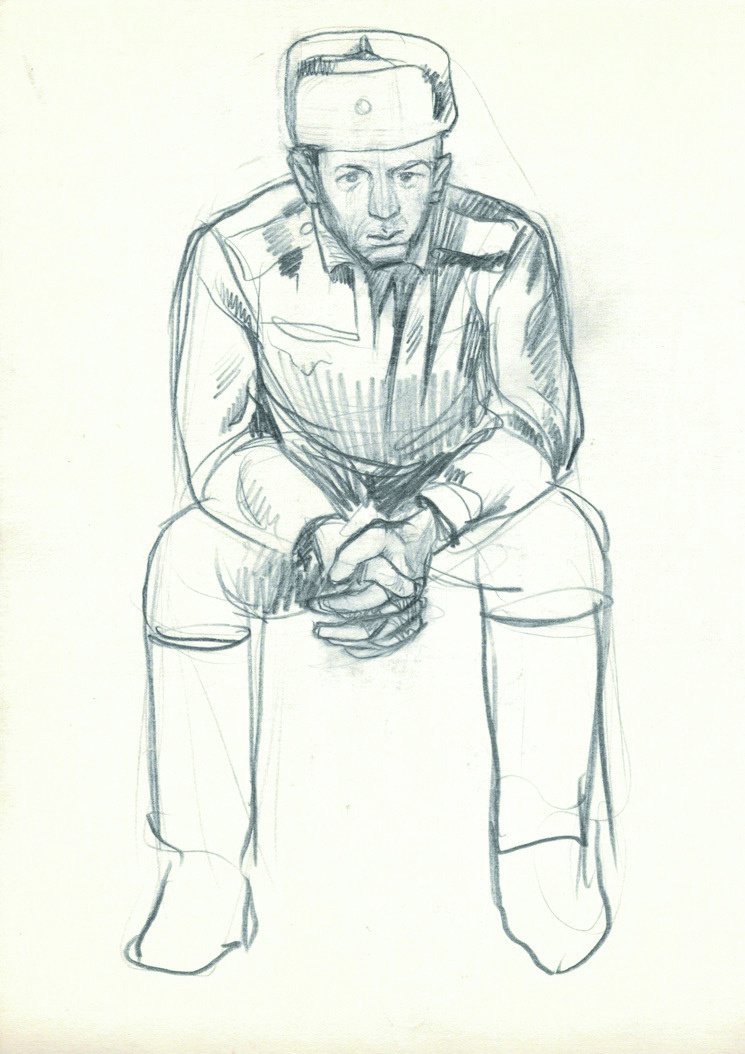
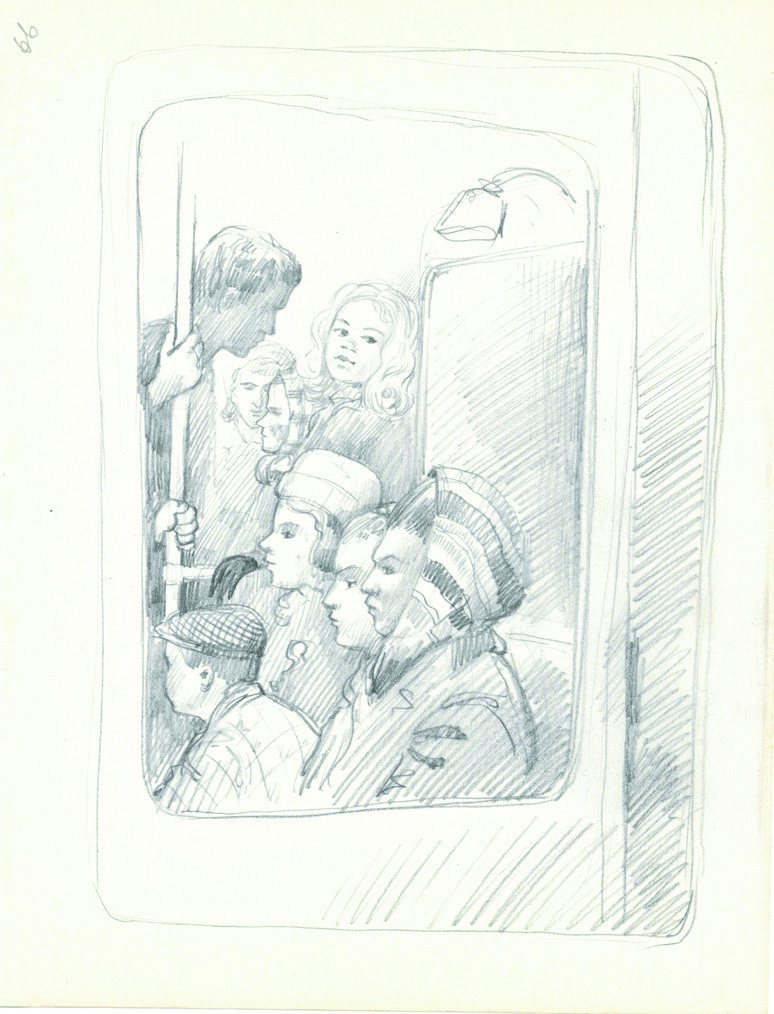
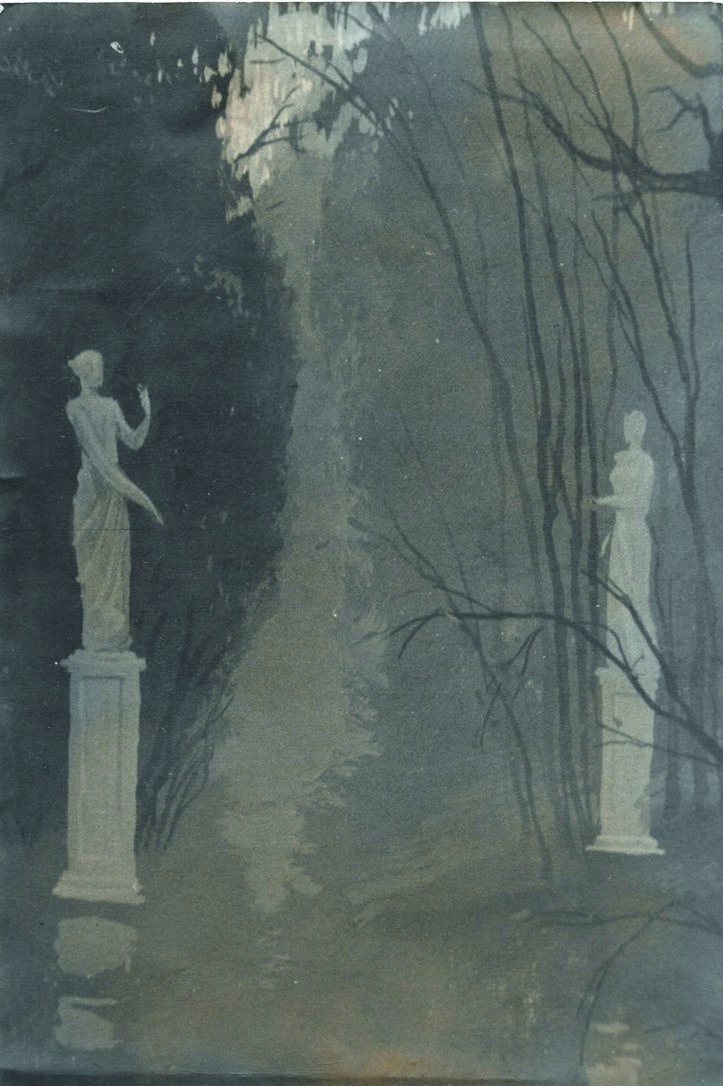
Student days give way to the duty of military service. Yet under the uniform, the hand does not give up: Alexei keeps drawing in pencil, capturing the world between two watches.

An iron interlude in which graphite becomes his only space of freedom, keeping the flame of his art alive in the silence of discipline.

“I always drew in the army. Mostly in pencil — paints were complicated, but pencil all the time.”
The Pencil as RefugeThe Pencil as Refuge
1970

Opening Horizons

The cycle of apprenticeship comes to an end. Armed with full command of matter and space, Alexei now holds the technical keys to work on State structures.

The end of his studies marks the beginning of achievements: he is ready to give shape to large-scale projects, combining a builder's precision with an artist's vision.

1971

The Line and Life

The year opens on two building sites — one of stone, one of the heart. At the Giprovuz institute, Alexei draws the future of knowledge, designing higher-education schools.

But the most precious blueprint of the year remains the arrival of his daughter, Natalia Matrossova. Between the architecture of buildings and that of a family, his life settles on new foundations.

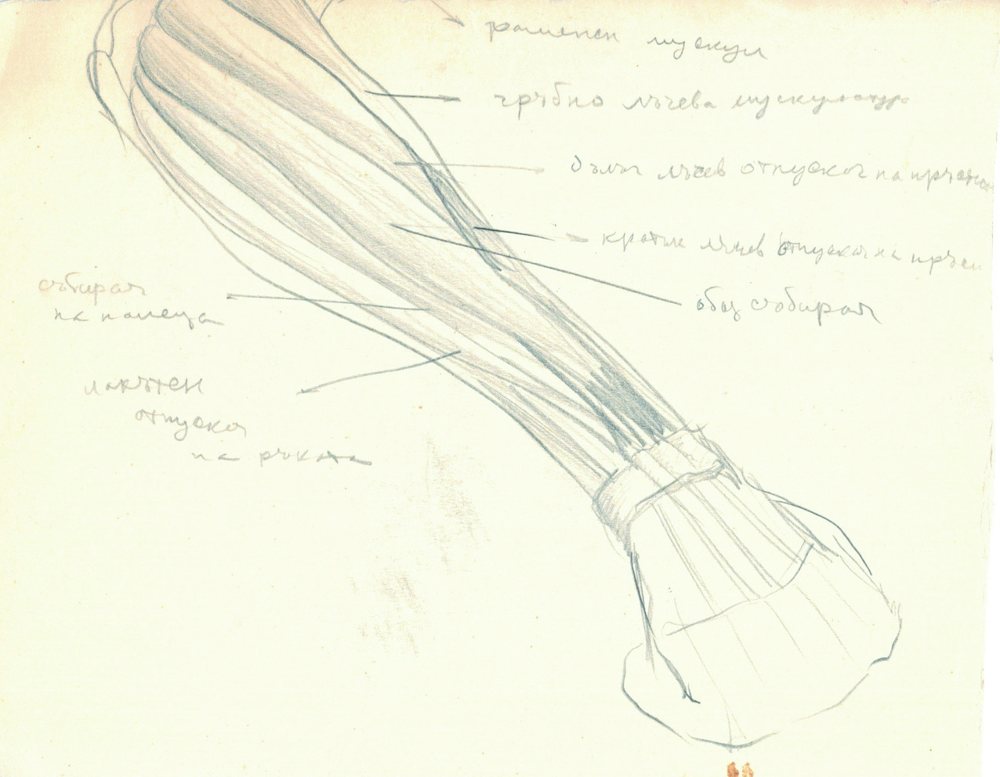
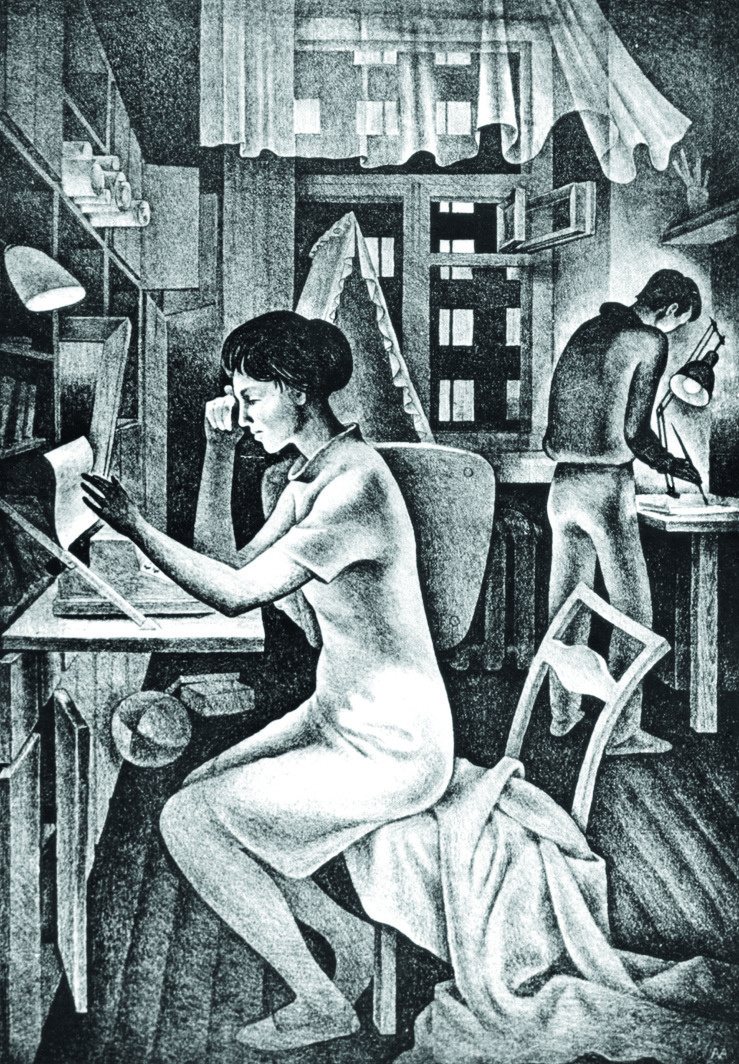
'70s–'80s — The Art of Technical Detail. Alexei explores new horizons by lending his pen to science. He becomes the illustrator of a science magazine (Yuny Tekhnik), translating the complexity of machines and technical devices into drawings of surgical precision. Under his line, the machine becomes a work of art, revealing the beauty hidden in the rigour of the gears.
“Did Yuny Tekhnik teach you precision and analysis? It didn't teach me, it helped me. With money, haha… it was fun, steady work.”
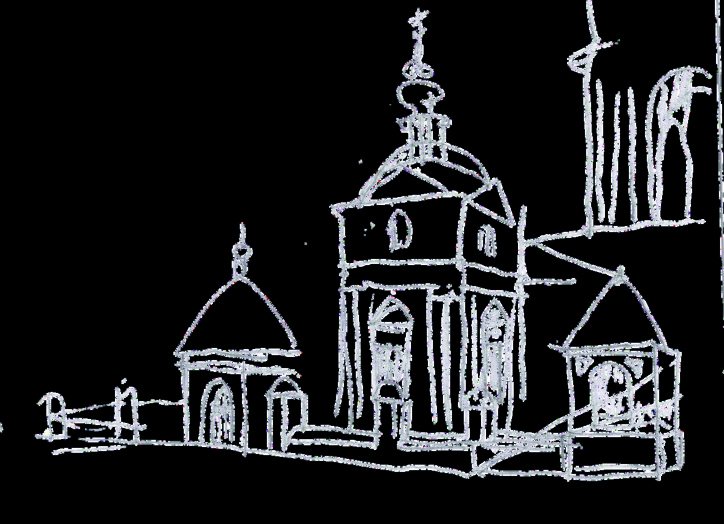
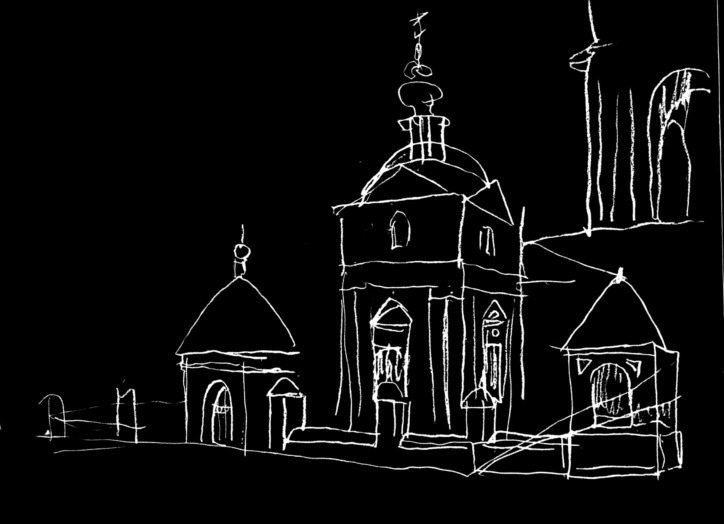
The Line and LifeThe Line and LifeThe Line and LifeÉglise — esquisse au crayonClocher — esquisse au crayonThe Line and LifeThe Line and Life
1976 — 1978

Art in Everyday Life

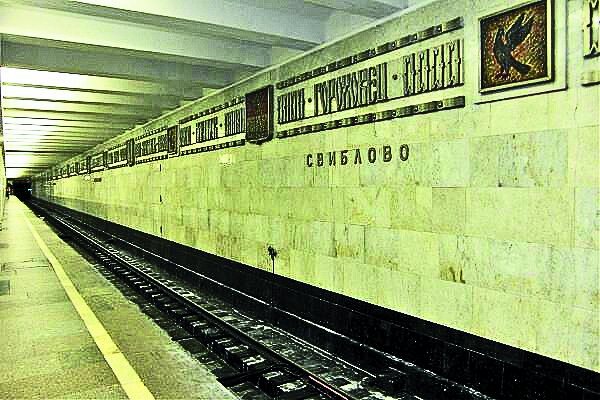
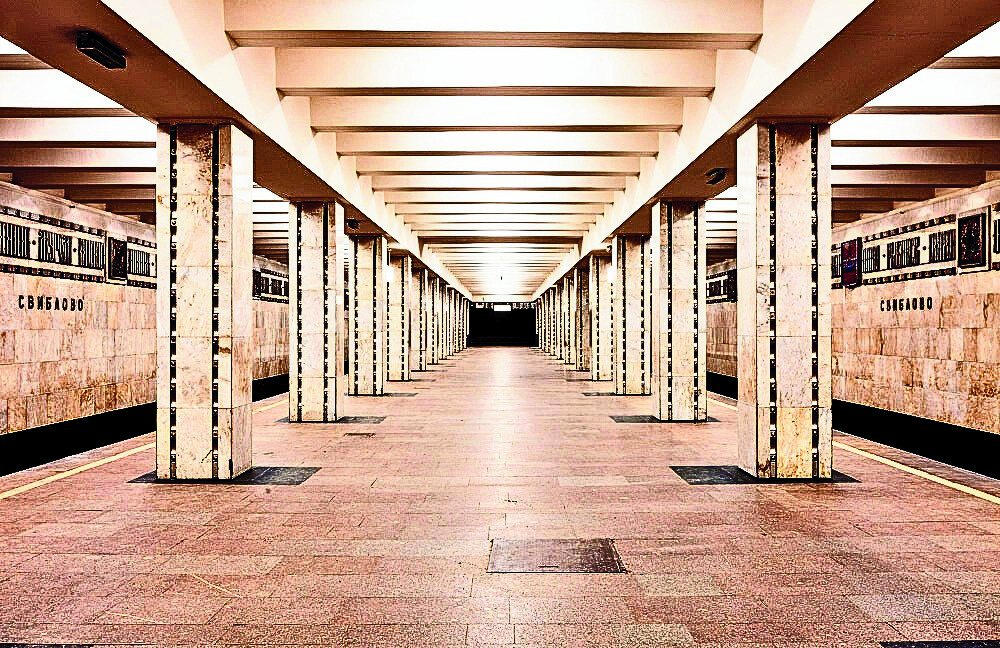
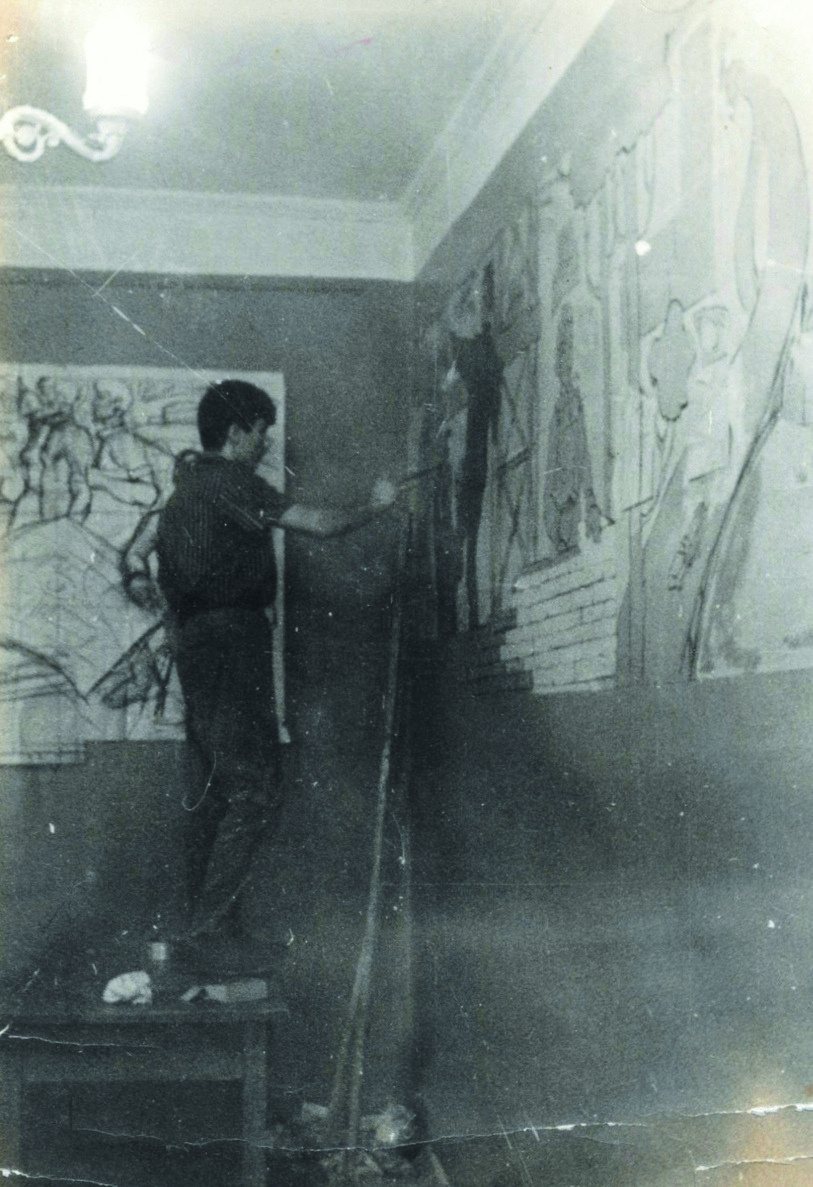
Alexei's work is inscribed in stone and in Muscovites' daily lives with the decoration of the Sviblovo metro station.

Art in Everyday LifeArt in Everyday Life
1980

The Mark of the Far North

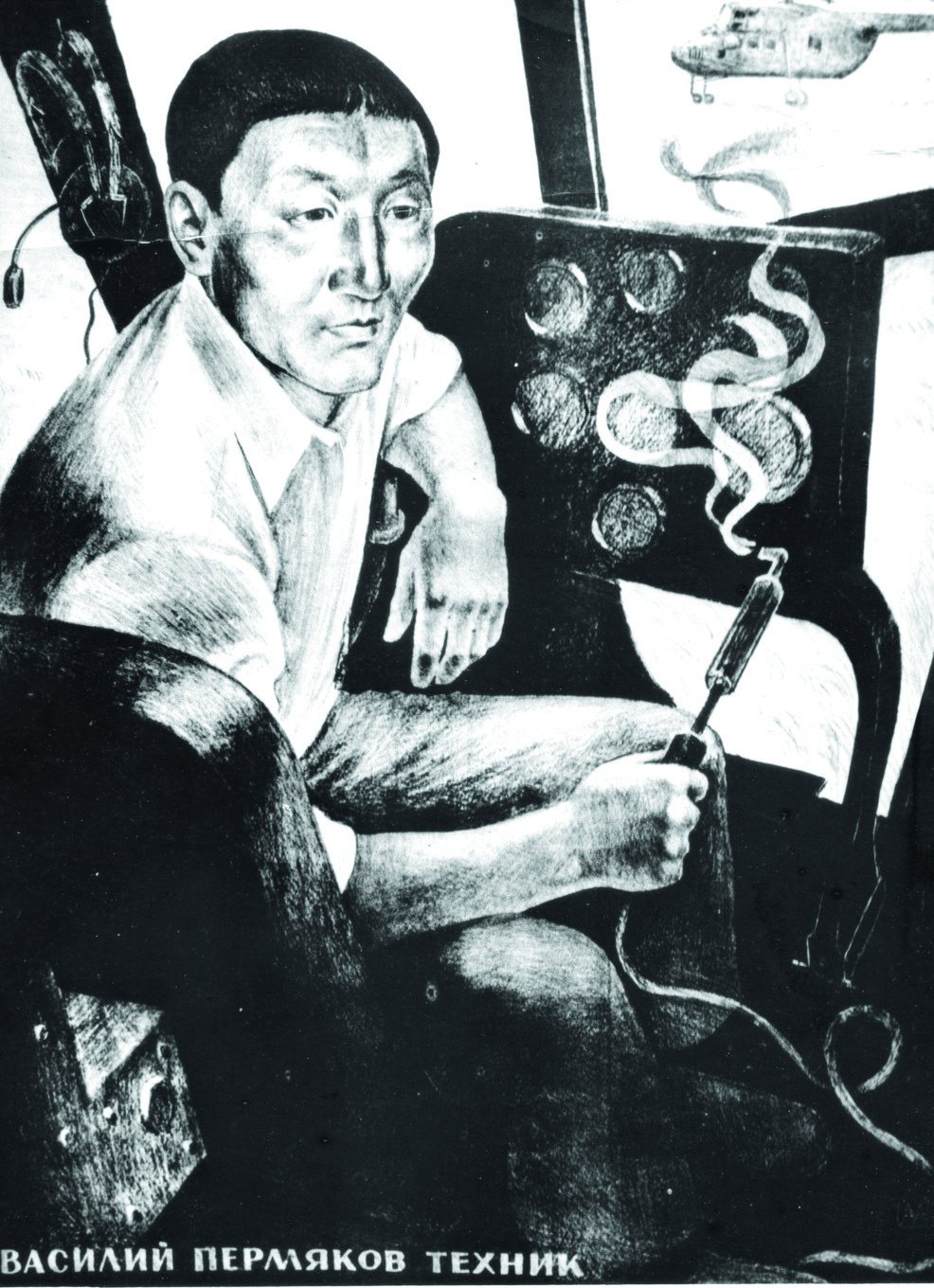
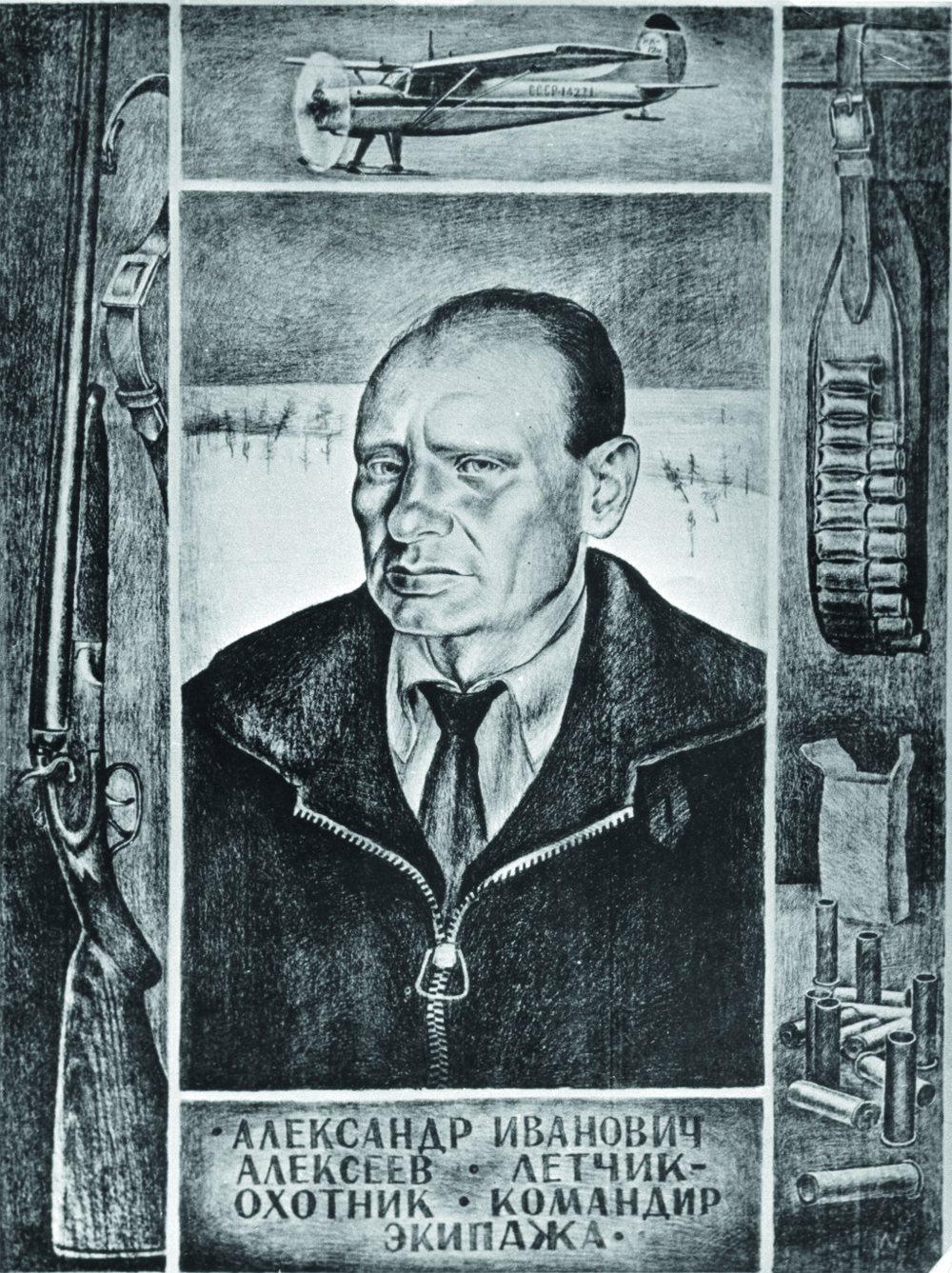
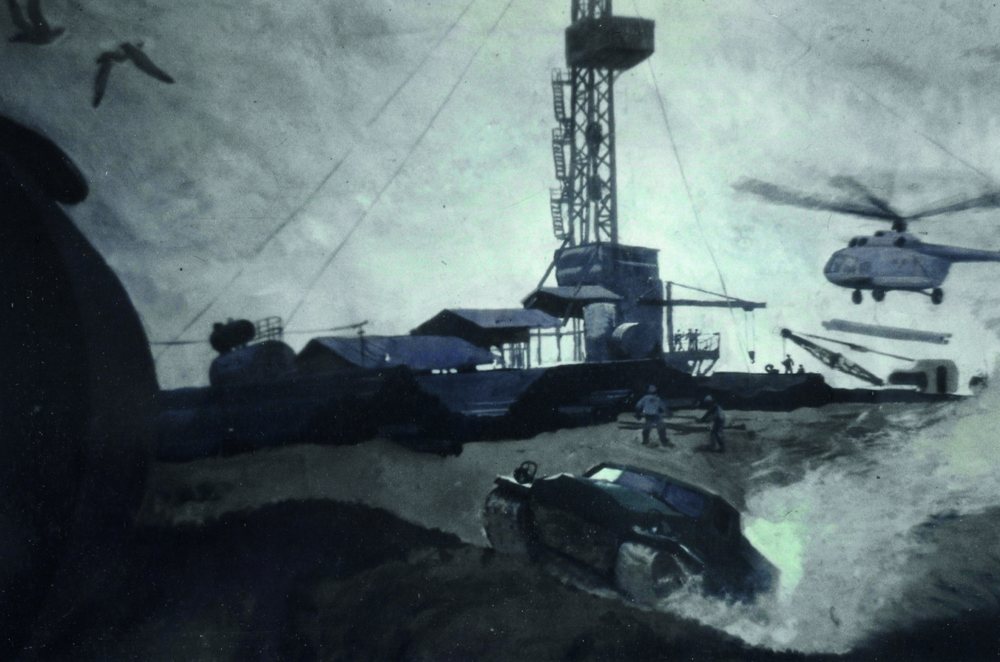
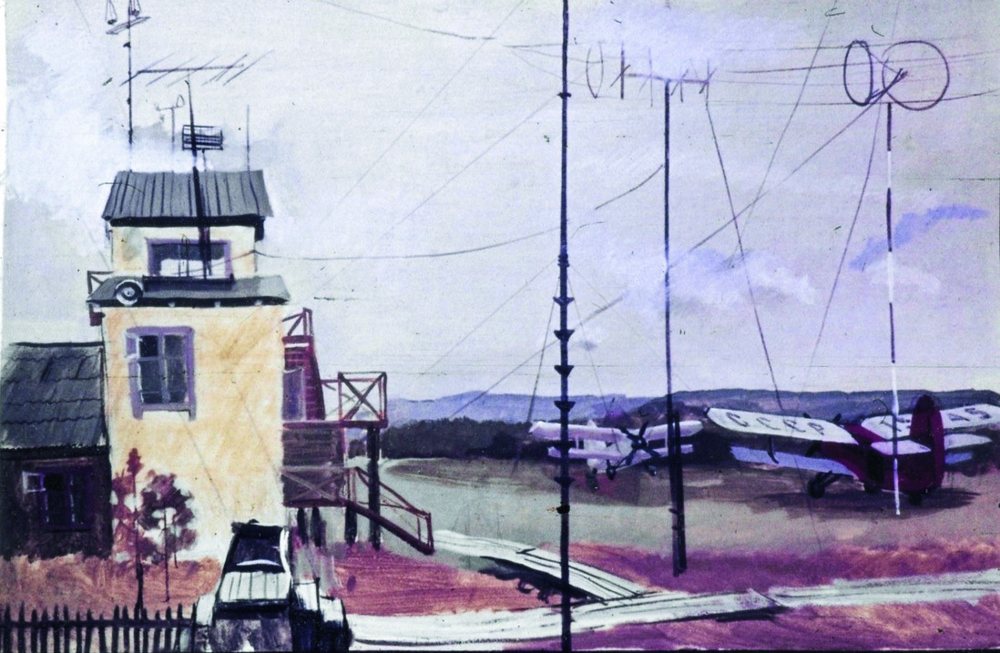
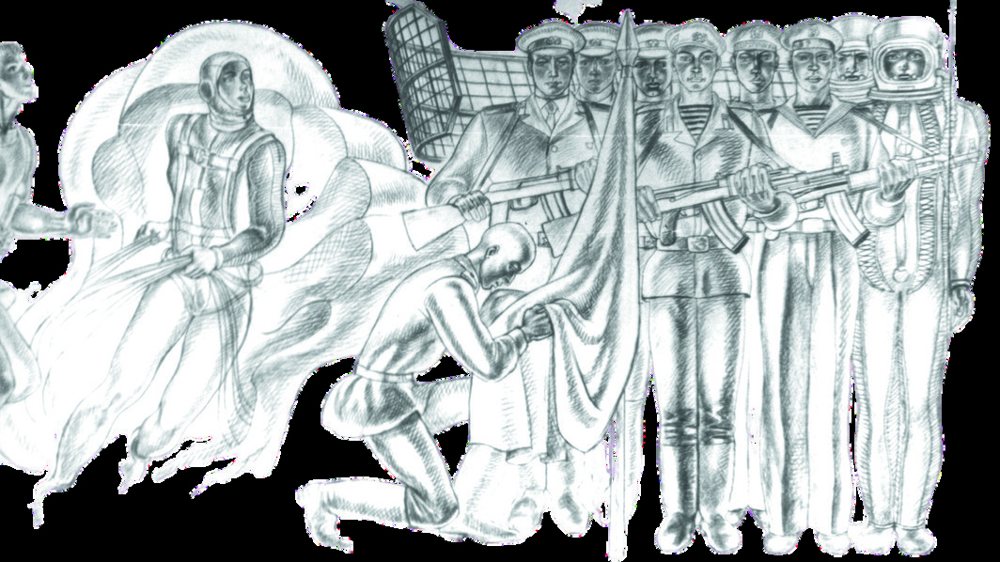
The State calls on his expertise for projects of strategic scale. Alexei carries out exceptional commissions for the air force and for the distant regions of the North-East.

His creations are no longer merely aesthetic — they become the visual landmarks of isolated regions, carrying his line to the edges of the Siberian horizon.

The Mark of the Far NorthThe Mark of the Far NorthThe Mark of the Far NorthThe Mark of the Far NorthThe Mark of the Far NorthThe Mark of the Far NorthThe Mark of the Far NorthThe Mark of the Far North
1980

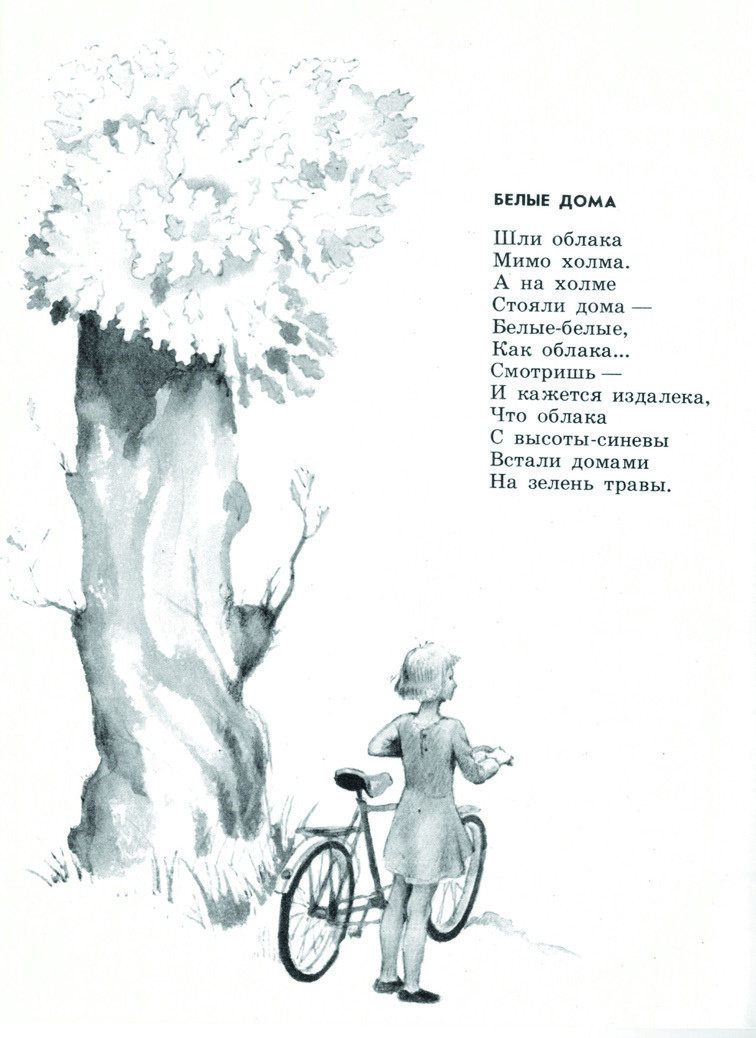
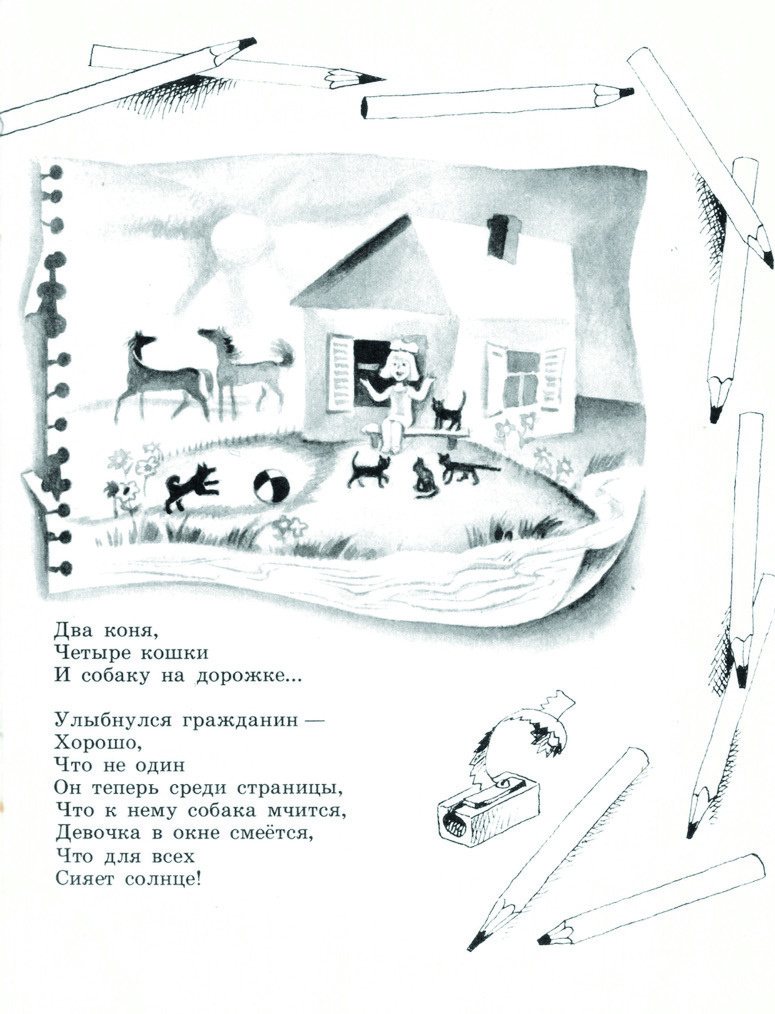
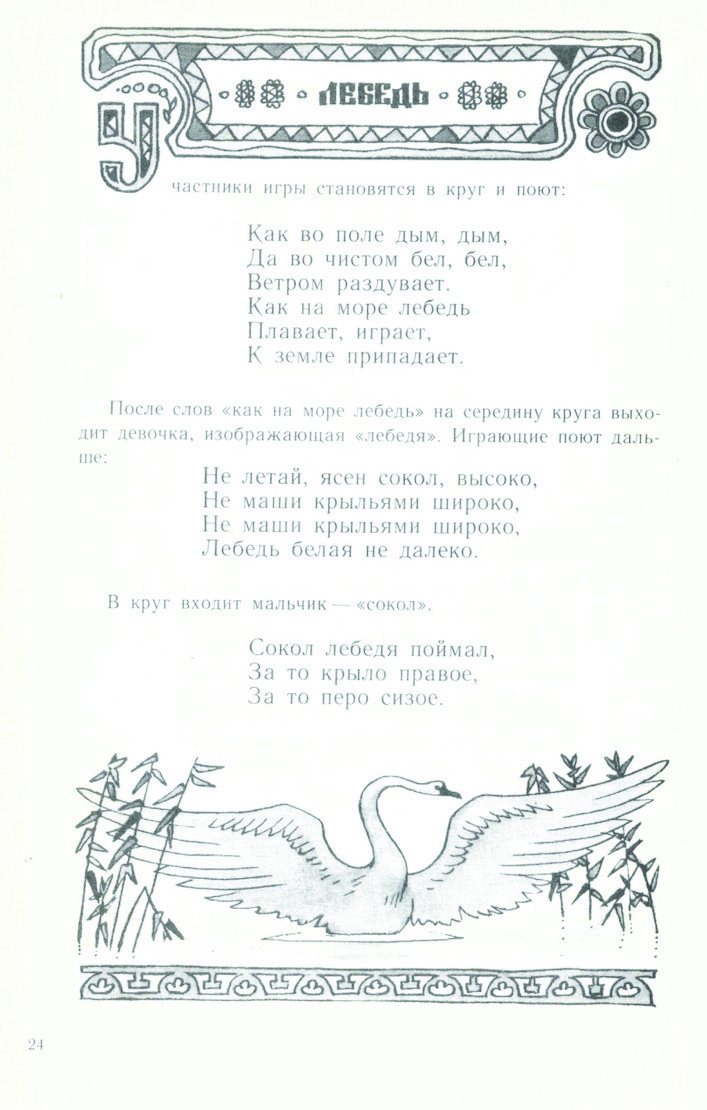
Imagination Through the Pages

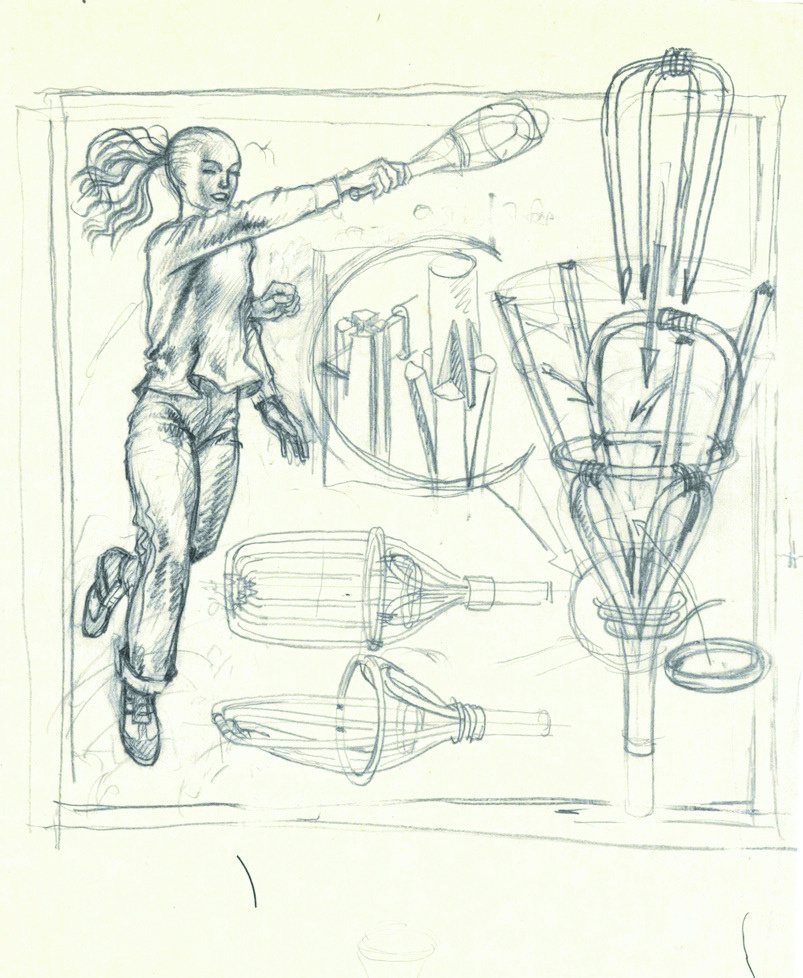
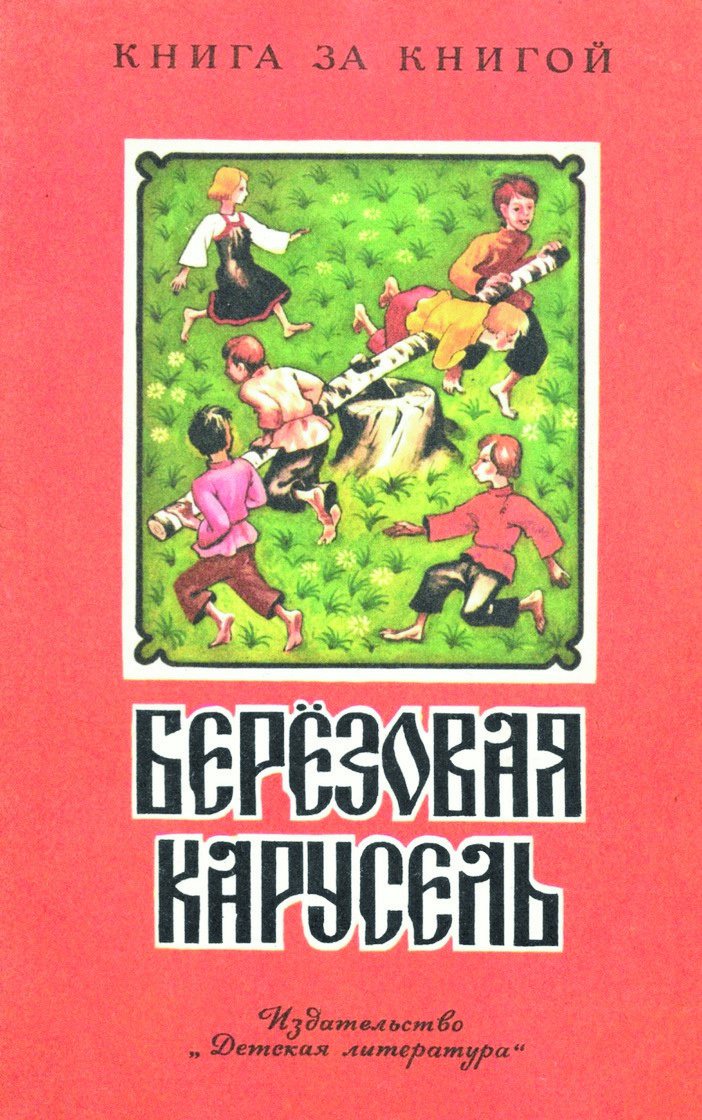
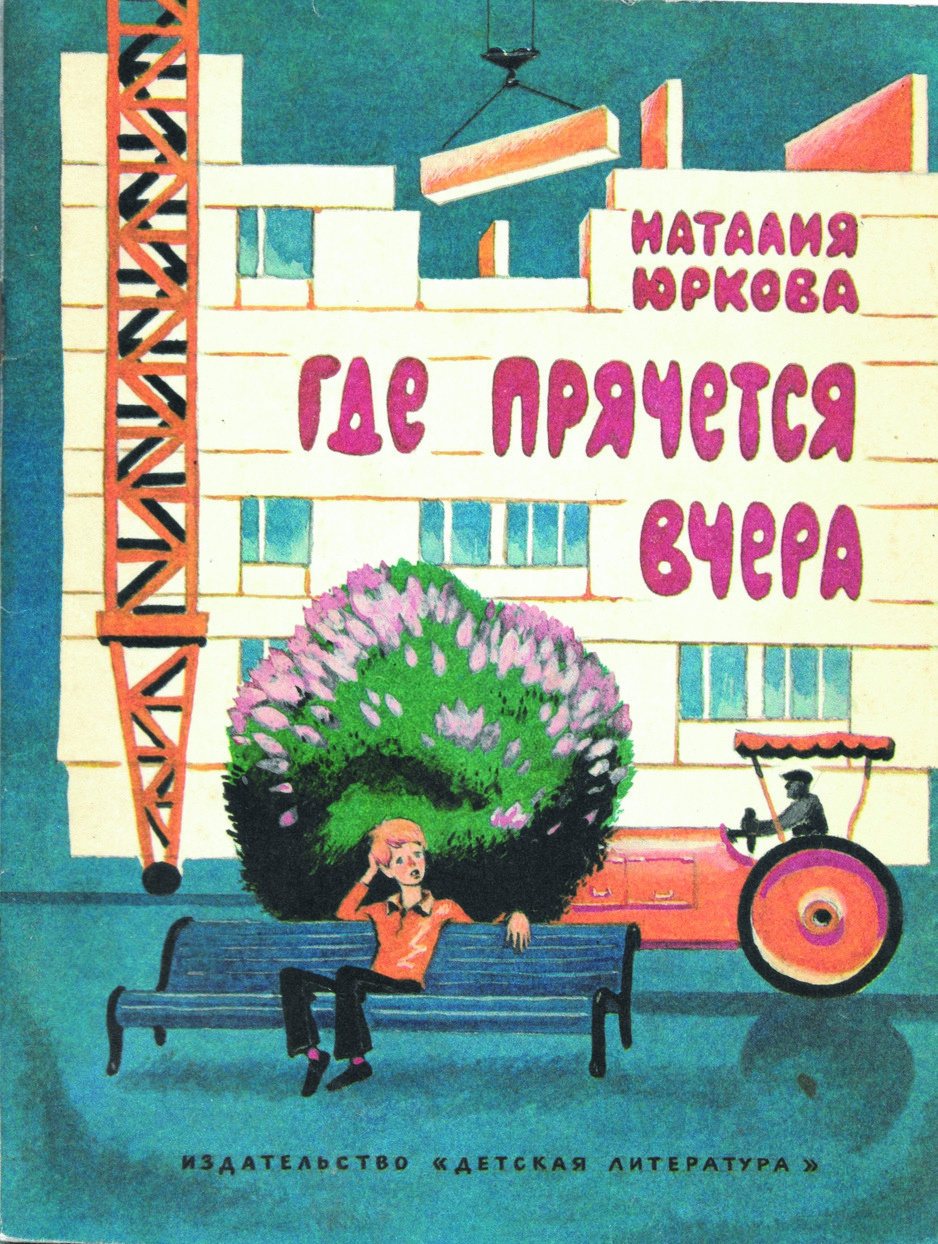
That same year, Alexei's line softens and opens to wonder. He sets aside the rigour of military commissions to illustrate children's books.

Imagination Through the PagesImagination Through the PagesImagination Through the PagesImagination Through the PagesImagination Through the Pages
1986 — 1988

The Fragment and the Whole

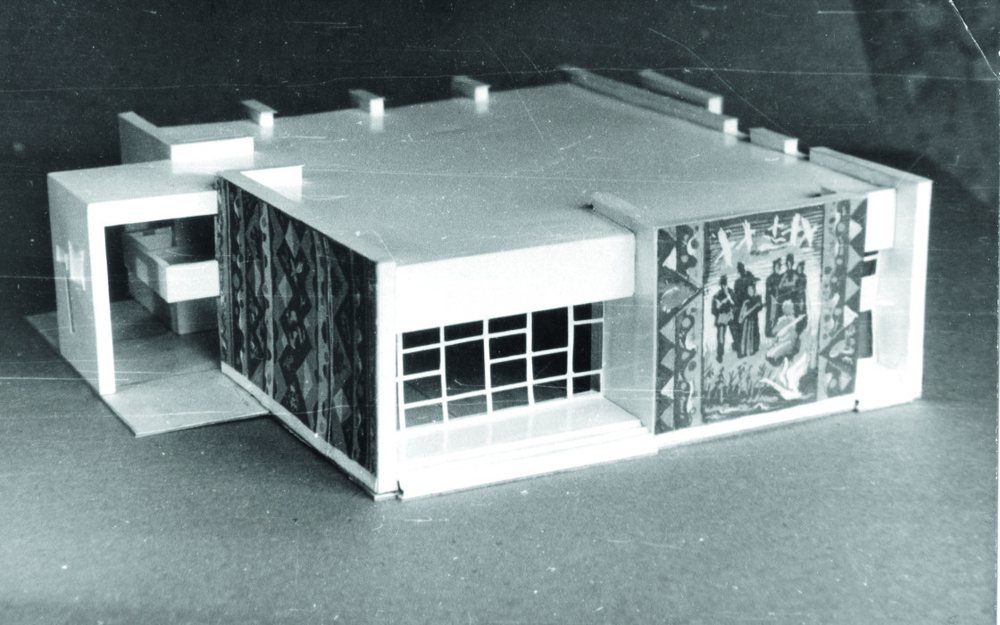
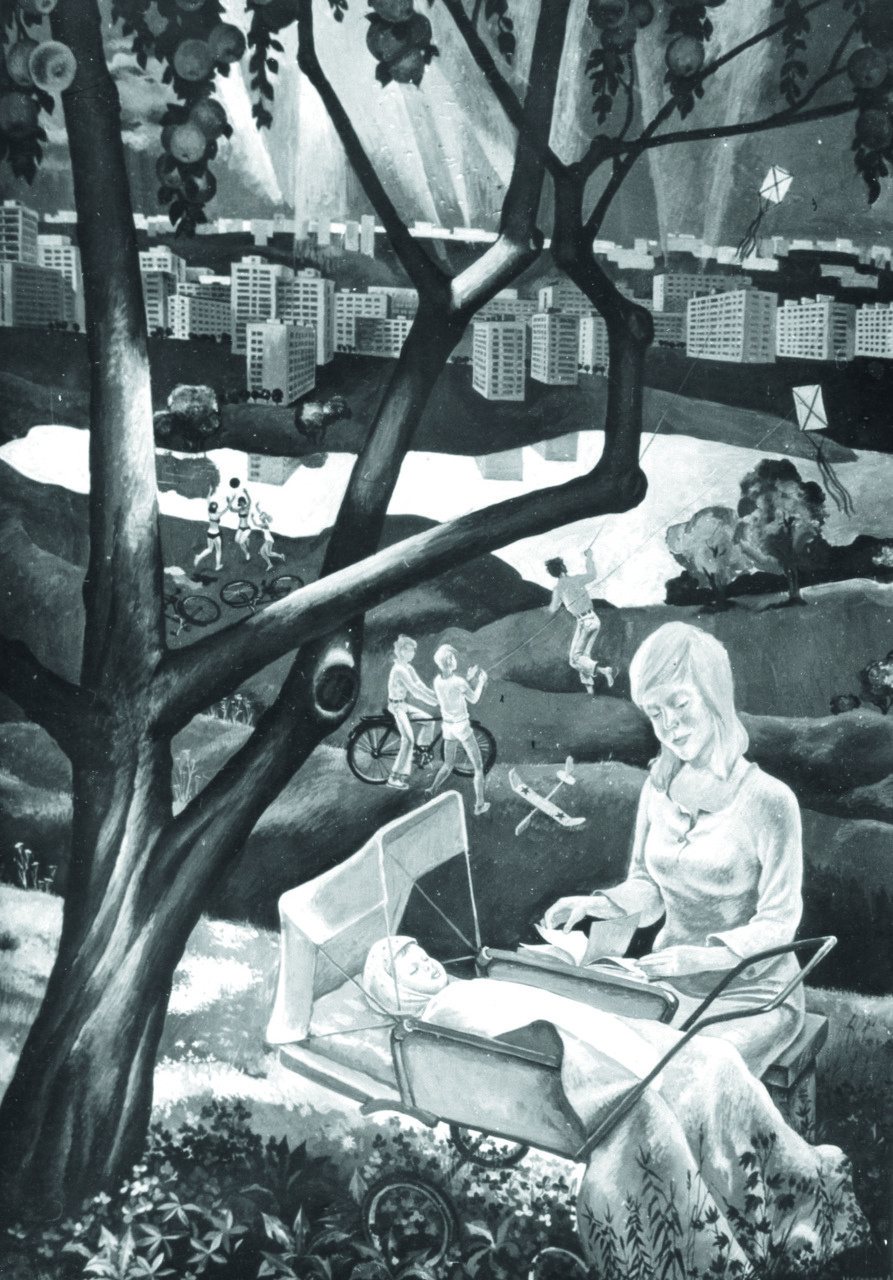
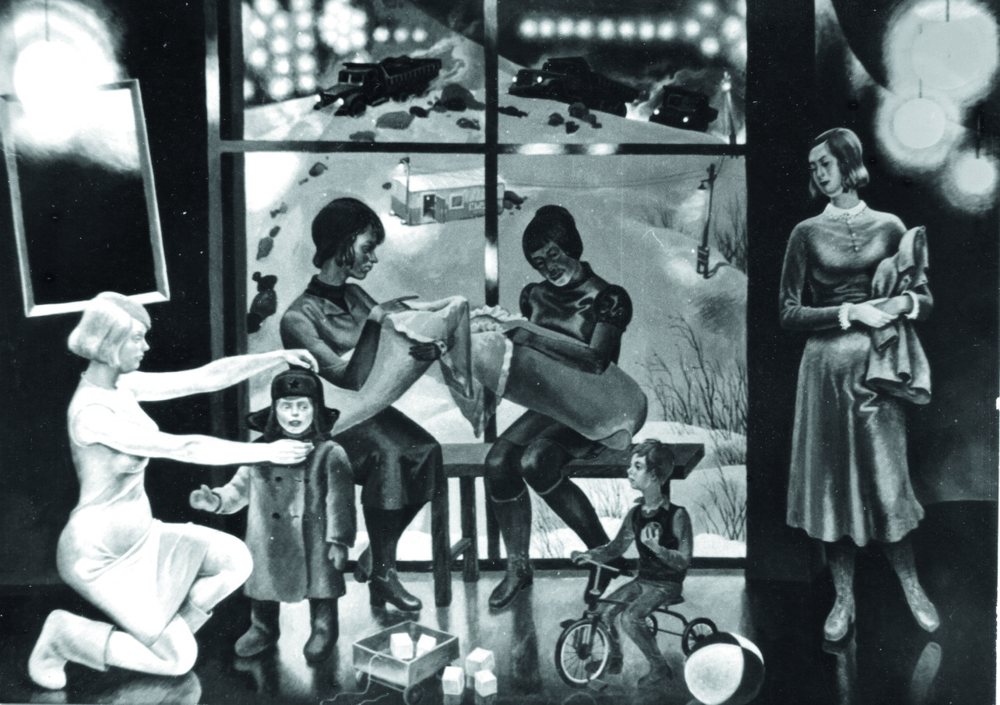
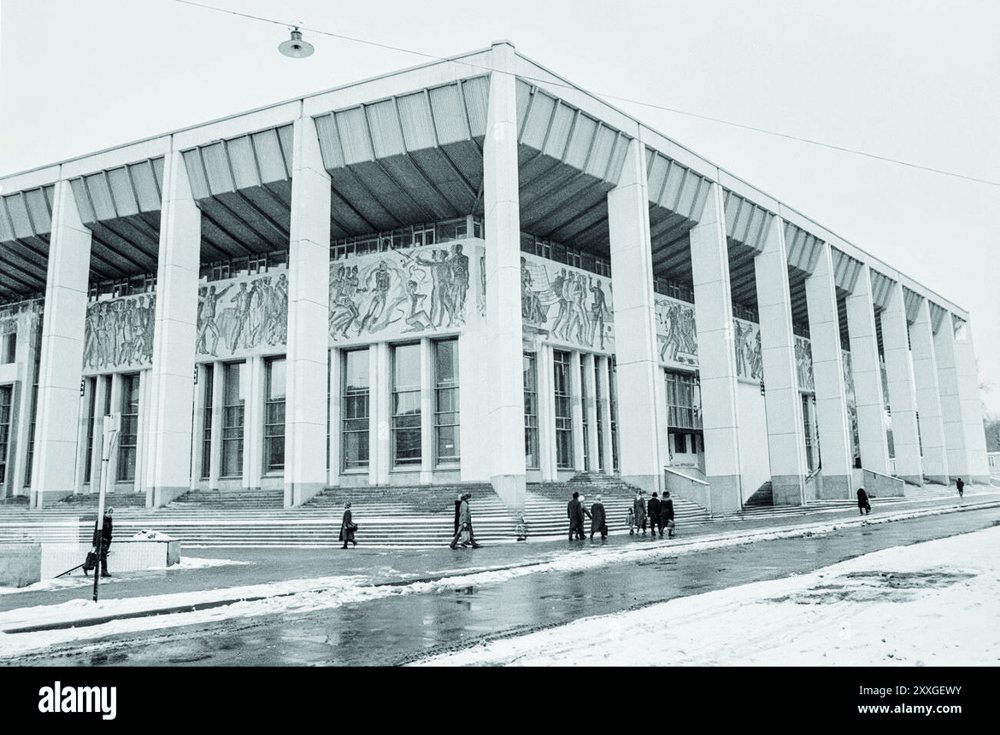
For two years, Alexei devotes himself to a monumental work: the mosaic of the Palace of Youth. In this building dedicated to future generations, he assembles matter to create an enduring image.

The Fragment and the WholeThe Fragment and the WholeThe Fragment and the WholeThe Fragment and the Whole
1990

The Crimean Chord

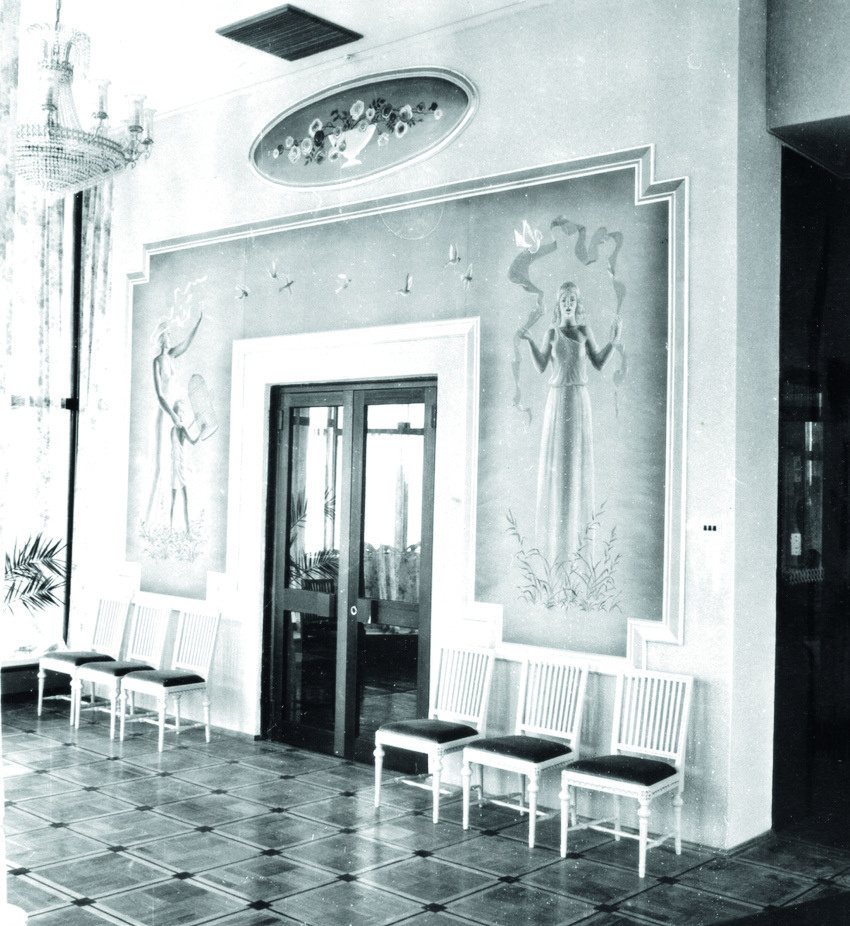
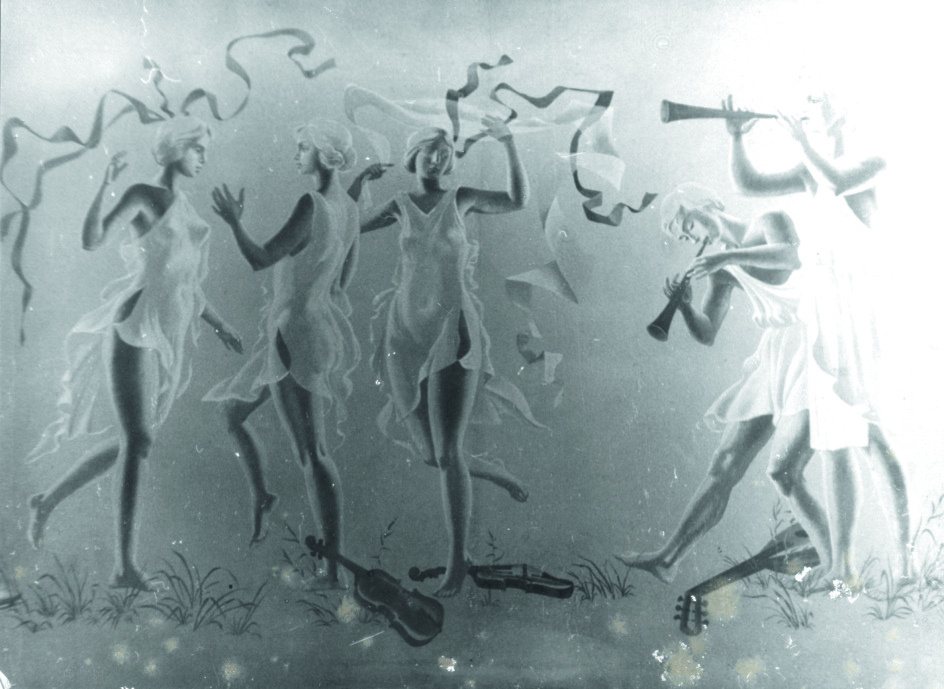
In Miskhor, Alexei dresses the Music Salon with his interior frescoes. His brush leaves monumental stone to embrace the intimacy of the place, turning the walls into a visual echo of the melodies.

A moment of grace in which the line becomes harmony.

The Crimean ChordThe Crimean Chord
1990

At the Heart of the Transition

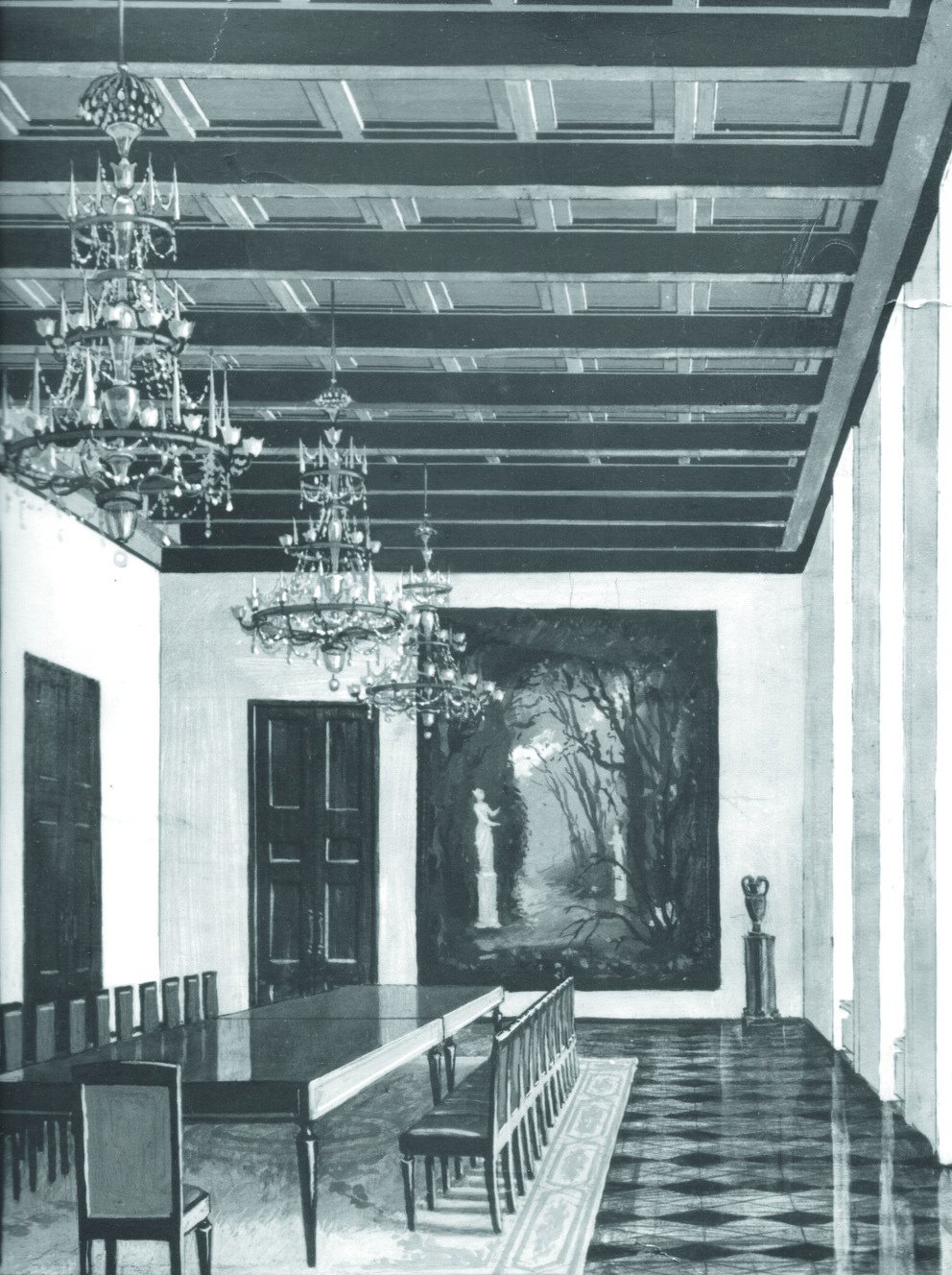
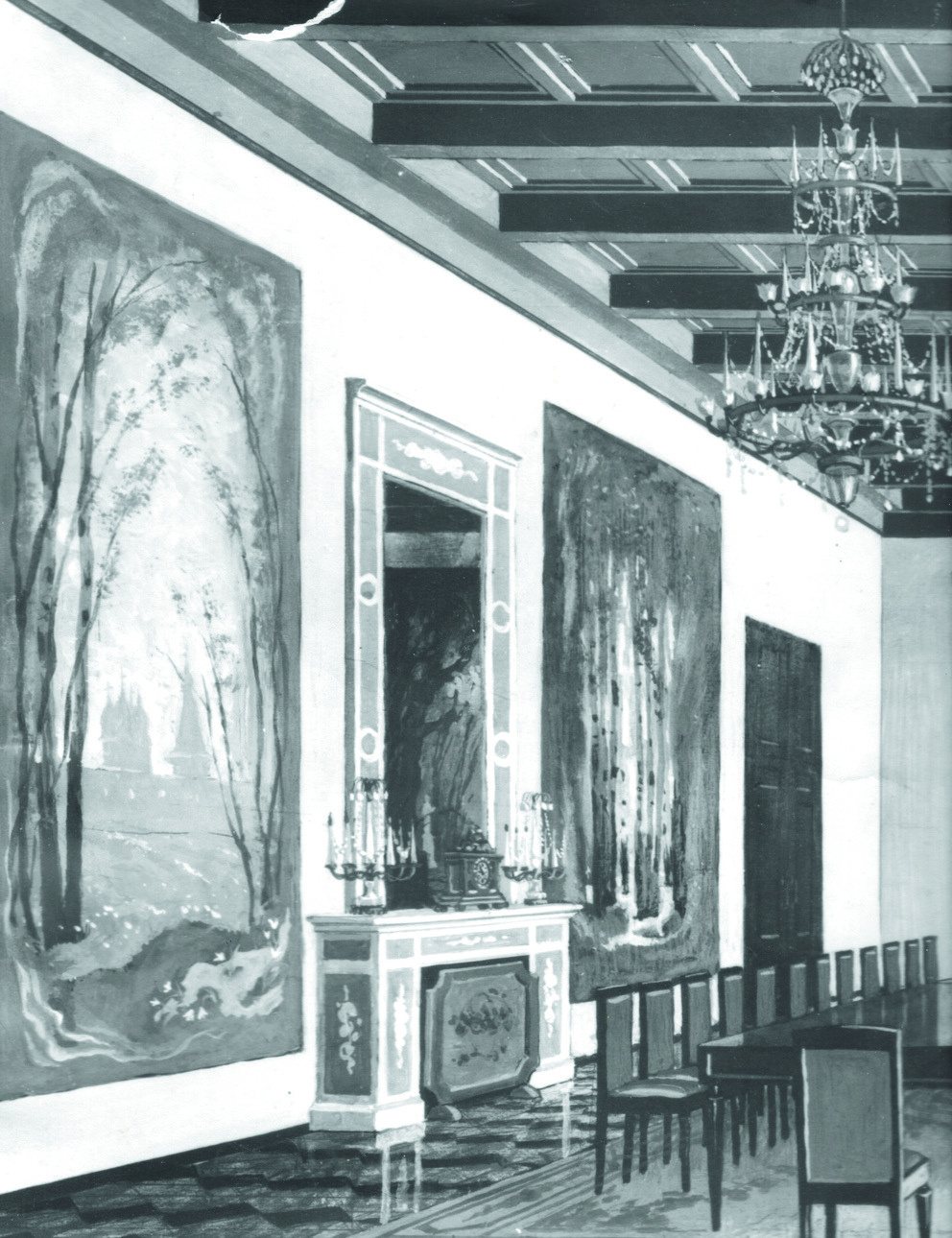
Alexei designs a tapestry intended for the USSR embassy in Washington. A prestige project meant to carry his art across the Atlantic.

But the fall of the Soviet Union upends the order of things: the project is stopped dead. The work will never be delivered, frozen by the tipping of an era.

At the Heart of the TransitionAt the Heart of the TransitionAt the Heart of the Transition
1990

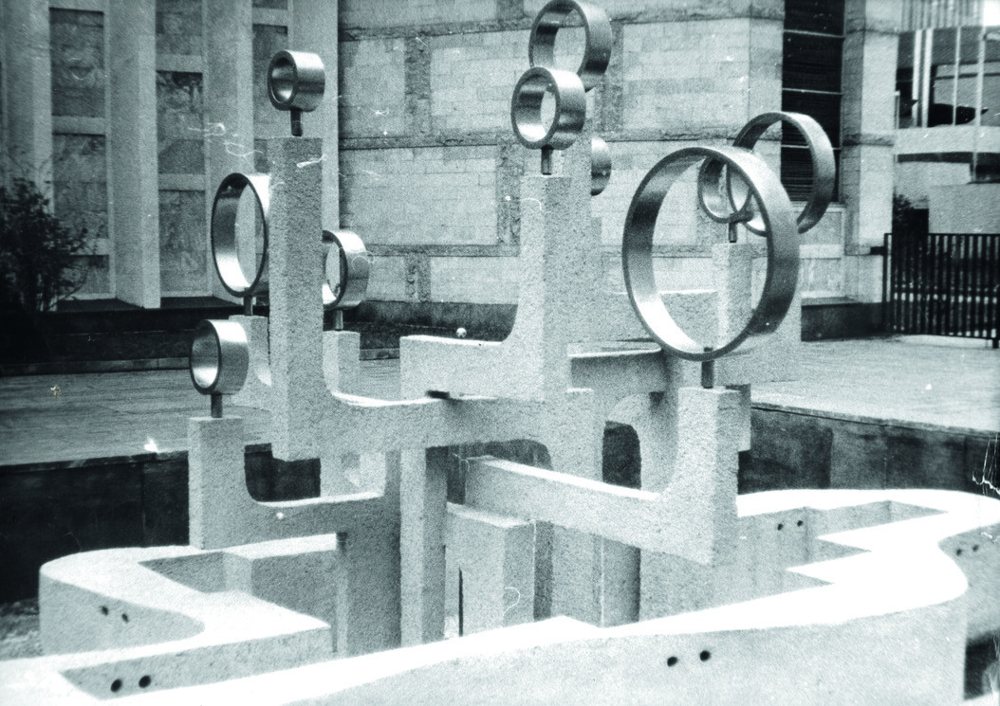
The Art of Light and Water

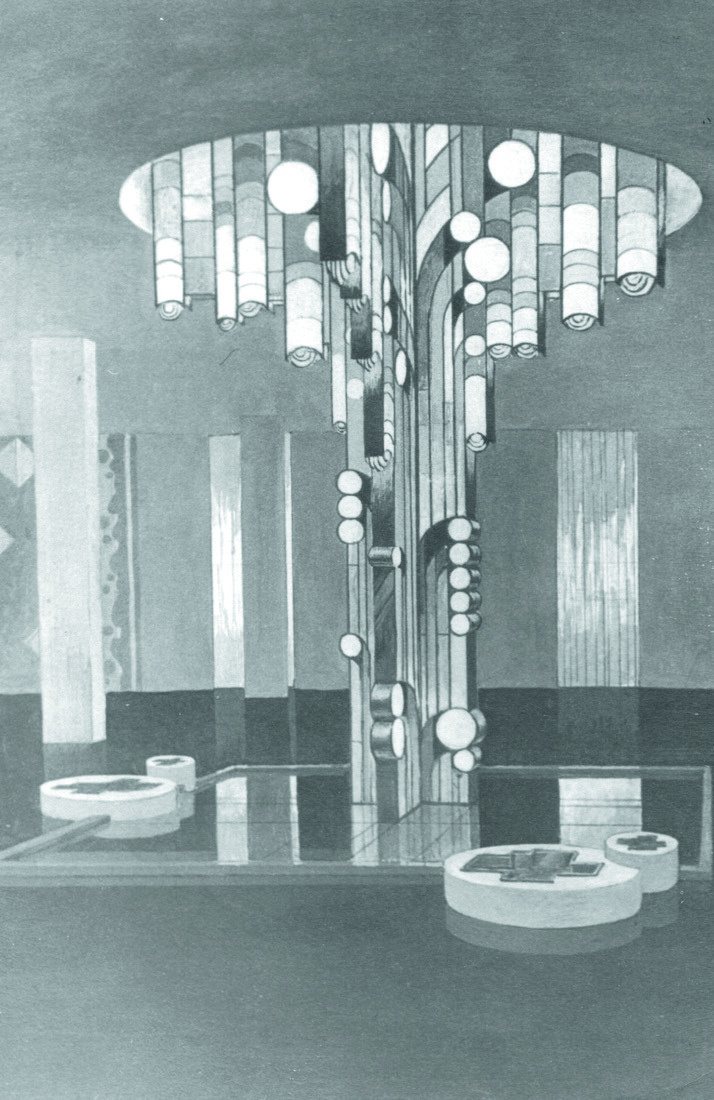
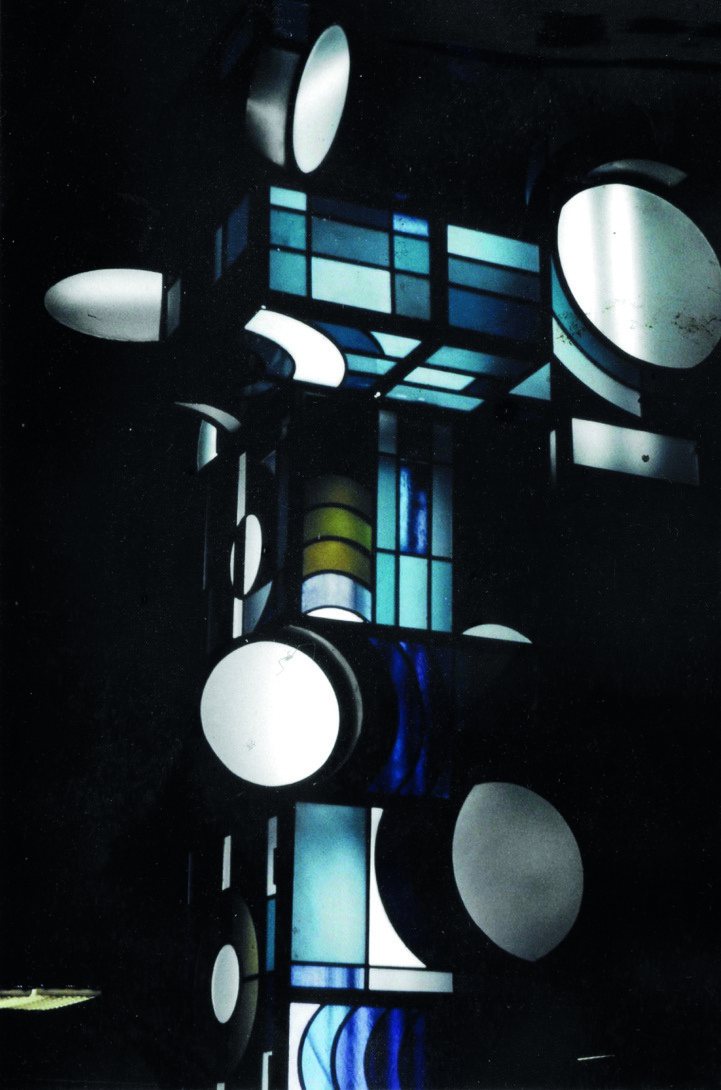
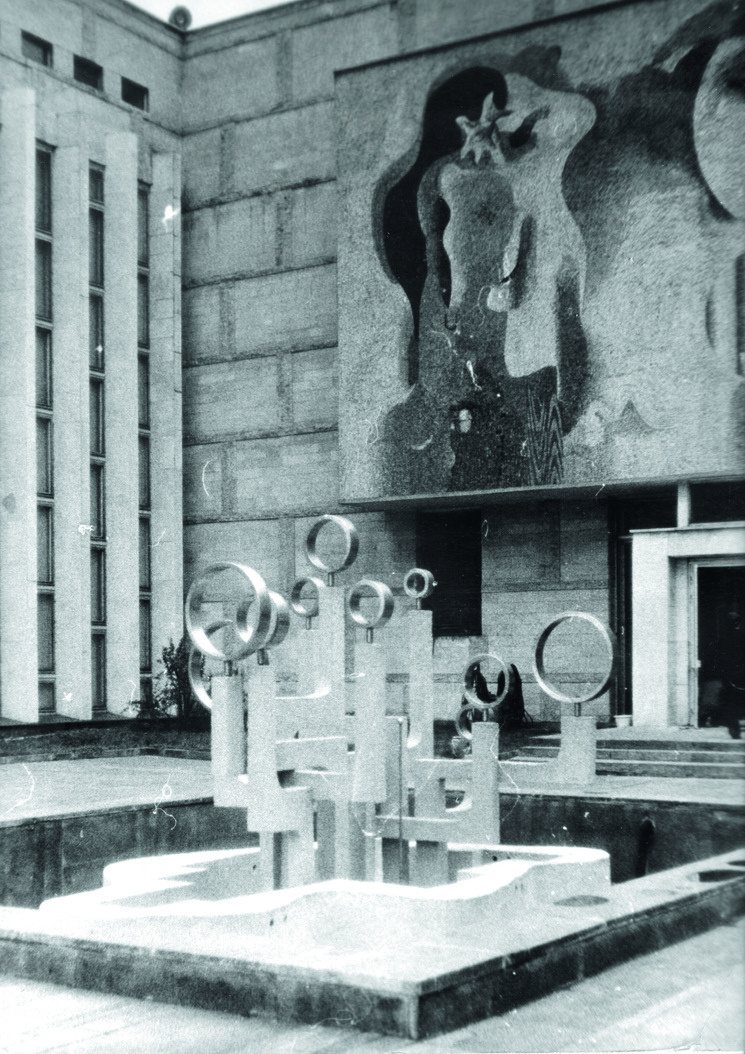
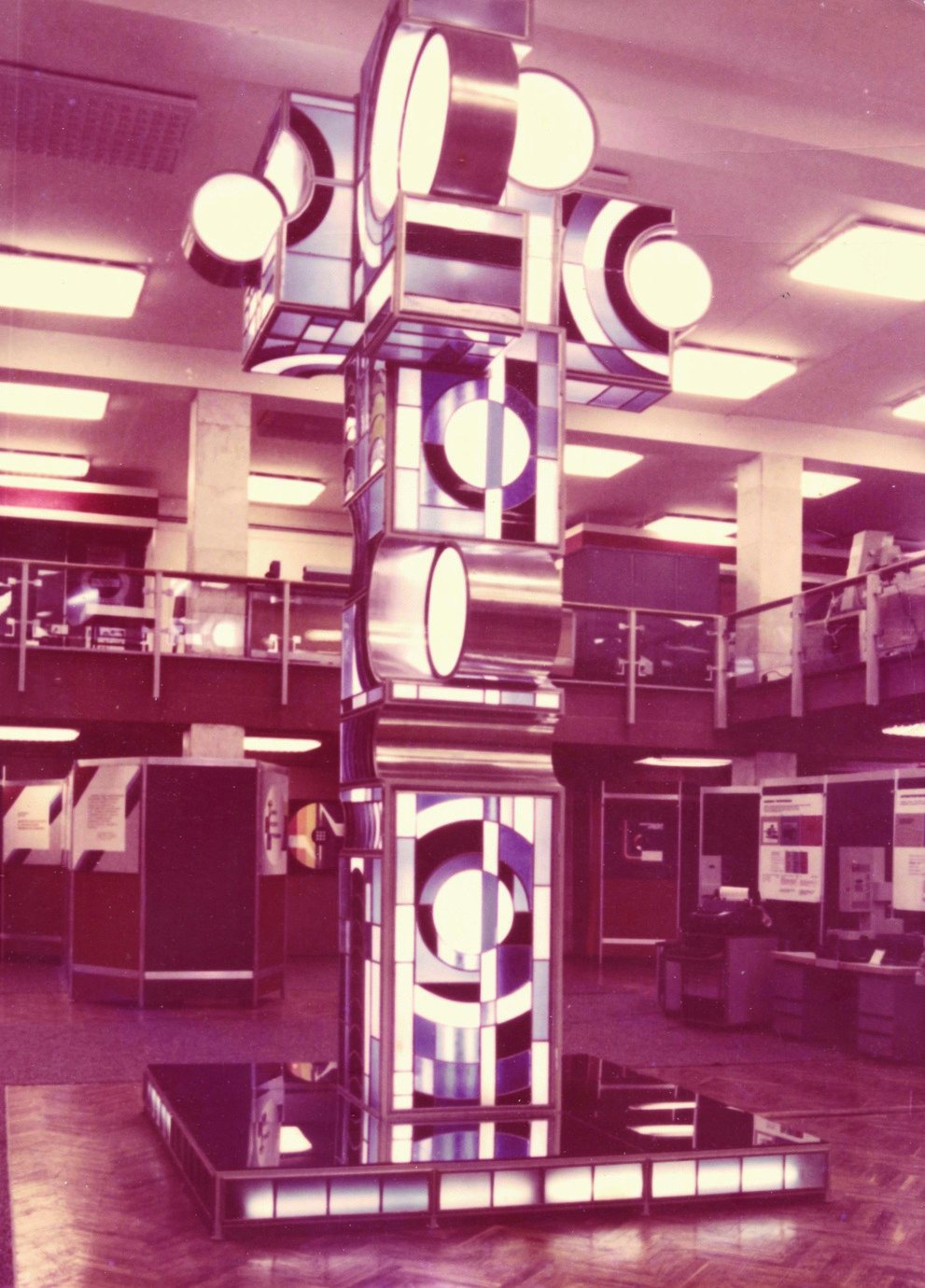
Alexei keeps sculpting public space with two technical, sensory projects. For the Moscow House of Optics, he designs a luminous sculpture playing with transparency and reflections.

Outdoors, he signs a fountain, this time mastering the movement of water. With these works he no longer merely decorates walls: he animates the city through the play of the elements.

The Art of Light and WaterThe Art of Light and WaterThe Art of Light and WaterThe Art of Light and WaterThe Art of Light and Water
After 1991

The Art of Resilience

The fall of the regime abruptly ends State commissions. Facing the collapse of the system that carried his monumental projects, Alexei goes through a deep economic crisis.

Far from giving up, he deploys a survivor's intelligence: he adapts his craft to the new realities, turning his artistic rigour into a tool of resistance.

The Art of Resilience

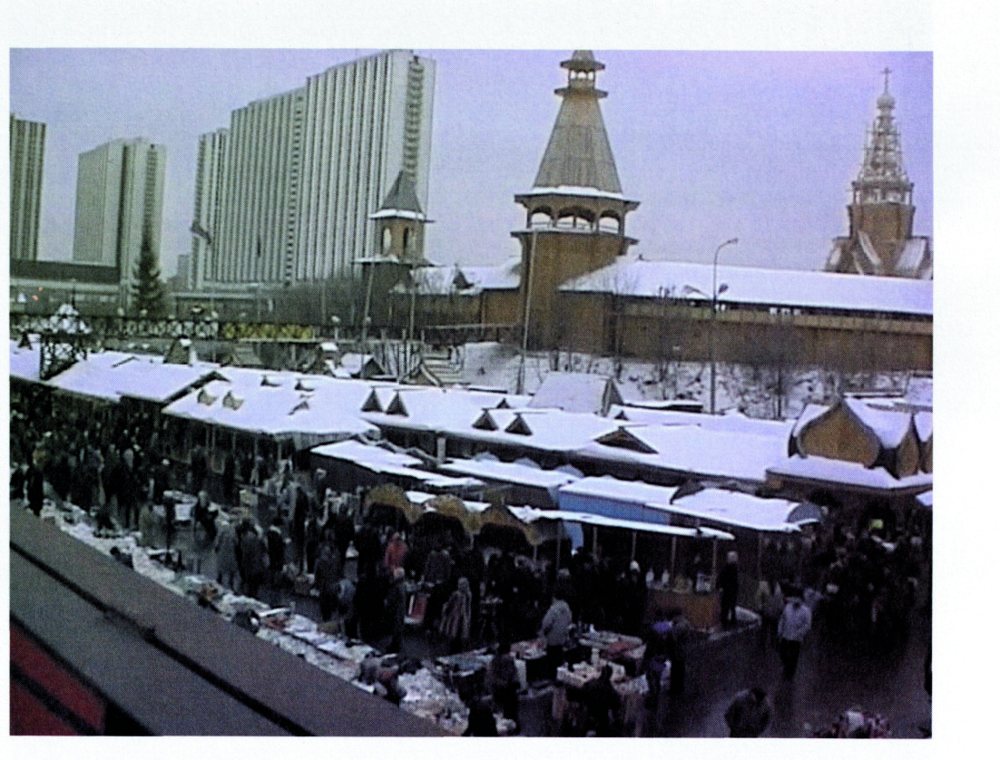
The Izmailovo Market

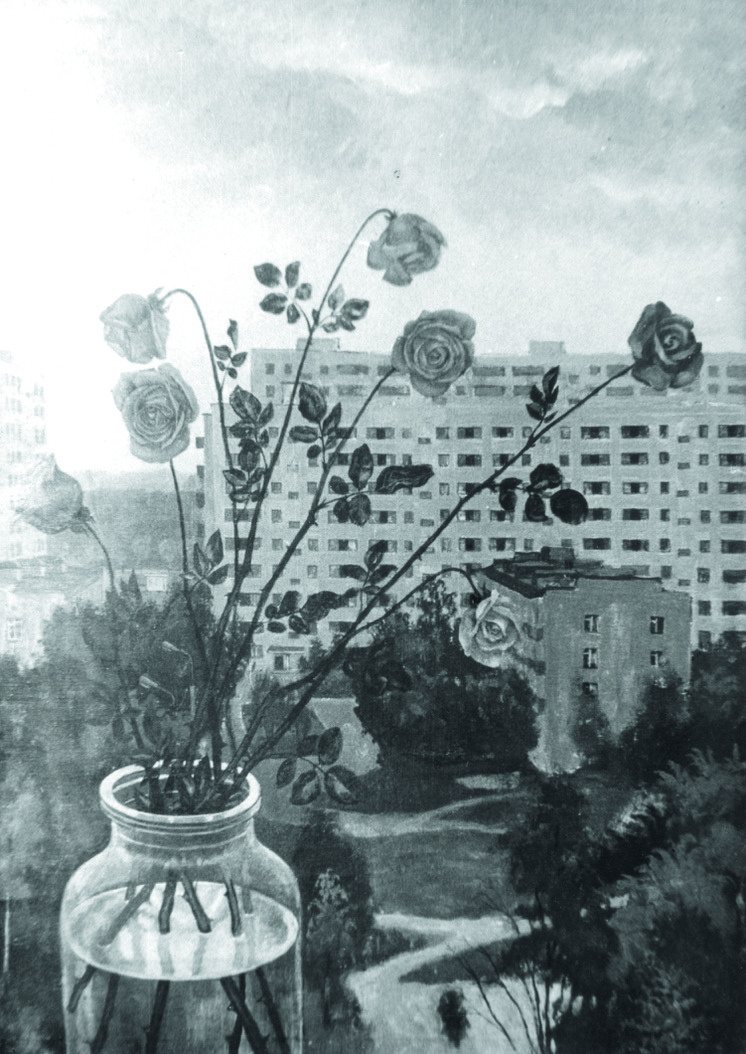
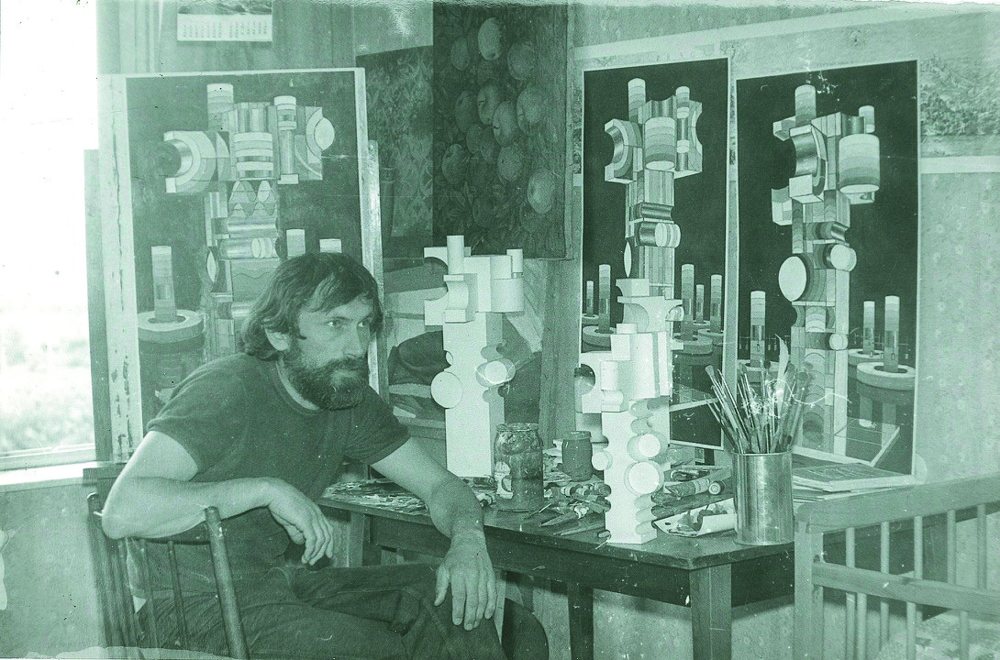
From now on, Alexei exhibits every weekend at the Izmailovo art market, whatever the frost or the heat. It is the forced move to a portable format: he leaves monumental frescoes behind for works you can carry away.

His paintings become fragments of his talent that passers-by slip under their arm, adapting his art to the reality of a more nomadic life.

“Very good memories — the whole artists' alley, people I knew and got along with very well, all kinds of artists but few complete improvisers; people who had some link to art or craft through study or work. The weekends spent together created bonds. It helped me earn money in those times... I always sold something, even just a little. Then whoever had sold bought a bottle of vodka and we had a drink — especially in winter, it did us good.”
The Izmailovo MarketThe Izmailovo MarketThe Izmailovo MarketThe Izmailovo Market

The Refuge of Creation

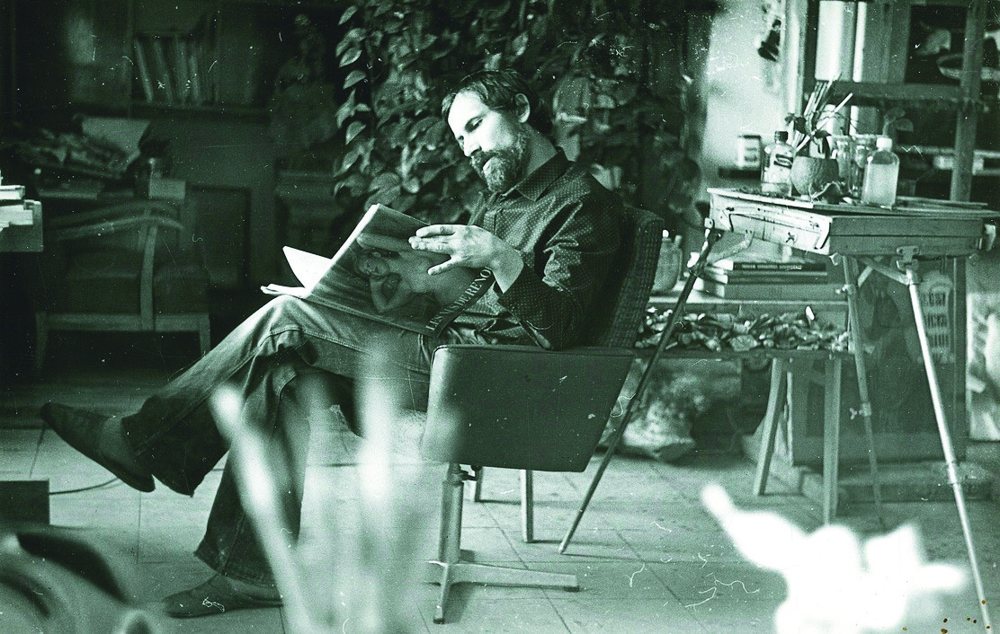
Alexei makes the radical choice to settle at the very heart of his production: he moves into his studio and rents out his flat. Sacrificing domestic comfort, he completely merges his living space with his workspace.

His days and nights now merge with his art, in this single place that becomes both his home and his sanctuary.

“We lived there 7–8 years. Mum didn't like it at all, because it was a studio, not very comfortable, not a real flat. It worried me that Mum (Tatiana) didn't feel good there; I tried to improve things. Me, I loved it.”
The Refuge of Creation
1996

The European Horizon

The year marks a turning point with his first trip to Belgium and the discovery of France. For Alexei, it is an encounter with new light and other architectures.

This journey is more than a visit: it is an opening onto Europe that feeds his gaze and enriches his palette with unseen landscapes.

“The first impressions rather drowned me at the start, and then I found plenty of subjects for my work.”
The European Horizon

Taking Root in Belgium

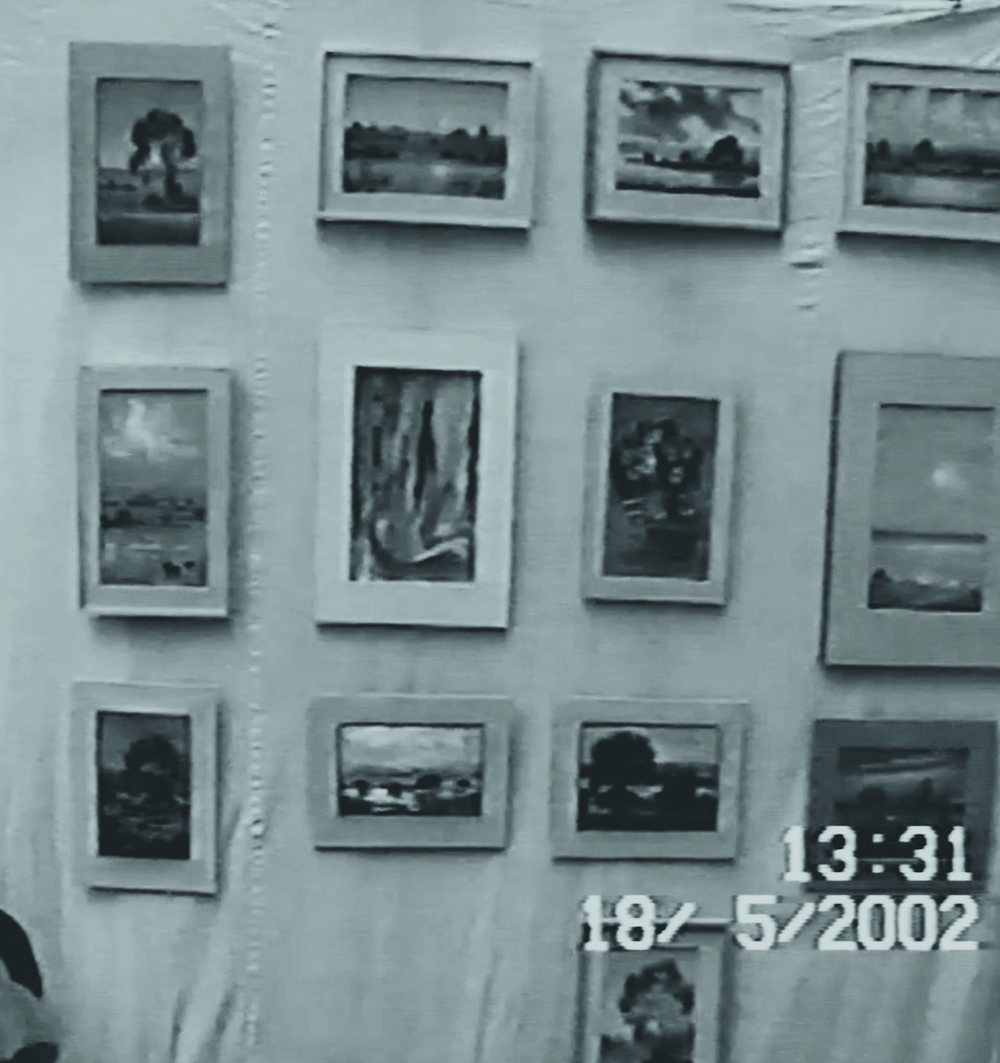
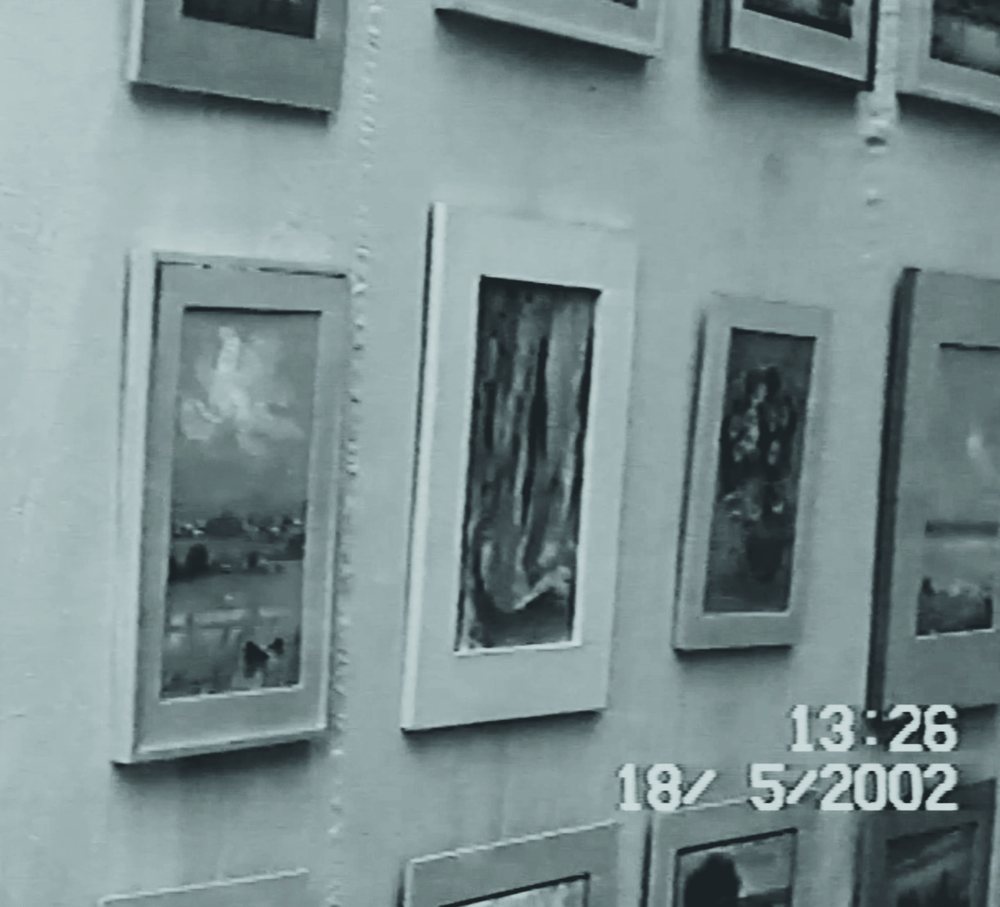
Alexei immerses himself in the cultural life of his adopted land. He takes part in the Brussels Parcours d'Artistes (2002, 2006, 2008) and exhibits regularly in the picturesque setting of Soiron.

From the capital to Wallonia, his Muscovite line opens to new light, sealing his full recognition in Belgium.

Taking Root in BelgiumTaking Root in Belgium

Major Collaborations

Yuri Korolev — Alexei joins his talent with that of Yuri Korolev, an emblematic figure of Soviet art and director of the Tretyakov Gallery. Together they sign large-scale projects where institutional standards meet technical mastery: the Palace of Youth — a fusion of their visions to create a place of life and art.

The Washington Embassy: an artistic challenge with diplomatic stakes.

“I knew him from school days; it is thanks to him and my cousin that I started drawing. I met him through my cousin Emma a long time ago. He taught me basic things by his own example; sometimes he gave me advice, but he never really taught or gave lessons — he never claimed to teach me anything. I mostly started going to his place when I was excluded from school; I had time during the day and he had a studio near the Aeroport metro, and later near Kievskaya station. He helped me with work too.”
Yuri Korolev
2025

The Matrossov Project

Today a new page is being written. From 2025 onward, the goal is to give his work back the place it deserves, through the Matrossov Project.

This project is an initiative of transmission and rediscovery: bringing decades of creation back into the light, from Soviet gigantism to the poetry of portable formats. By archiving, exhibiting and sharing his legacy, the project revives the dialogue between the artist and the public, ensuring his line keeps inspiring future generations.

The Matrossov Project
What's next

His work

Discover the works